
Food Sustainability Explained: Easy Steps for Everyday Impact
When people ask what is food sustainability, the answer is simpler than it sounds. It’s about how the food we eat impacts the planet, and how small, thoughtful choices can help protect it.
From how ingredients are grown to how they’re packaged and consumed, food touches every part of our lives. At Pressed Juicery, we believe those everyday moments are opportunities to do better, for ourselves and for the world around us.
Why Food Sustainability Matters
At its core, food sustainability means creating a system that can nourish people today while protecting resources for the future. It’s about balance. The way food is produced, transported, and consumed has a real impact on things like soil health, water use, and greenhouse gas emissions.
Right now, global food systems are under pressure. Food waste is high, natural resources are stretched, and demand continues to grow. Building a more sustainable approach helps ensure that future generations have access to the same quality and abundance of food that we do.
Rethinking How Food Is Produced
The connection between how food is produced and how it affects the planet is impossible to ignore. Traditional agriculture has helped feed billions, but it often comes at a cost to ecosystems and long-term sustainability.
A more mindful approach focuses on supporting soil health, using resources efficiently, and reducing environmental impact. These practices create stronger, more resilient food systems that can adapt over time.
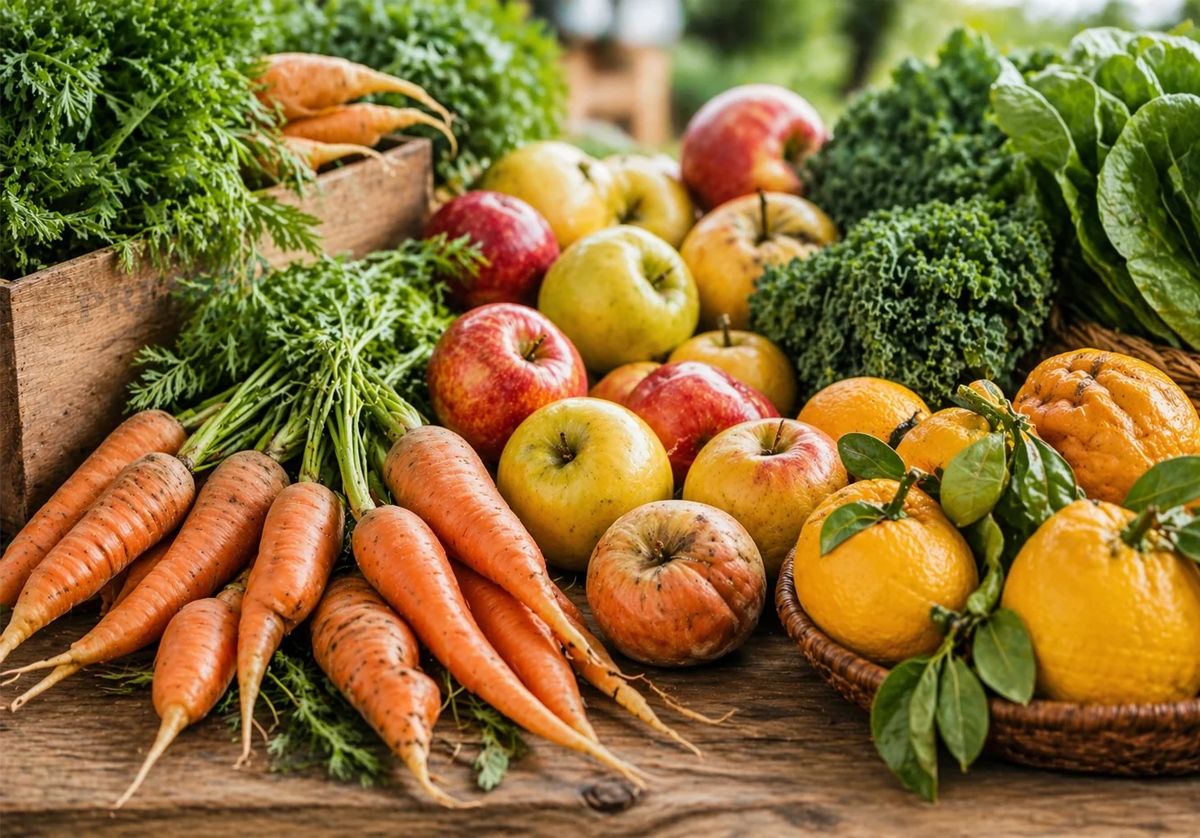
For us, that starts with sourcing. We look for ways to use ingredients more thoughtfully, including produce that might otherwise go to waste simply because it doesn’t meet cosmetic standards.

How Pressed Juicery Supports a More Sustainable Future
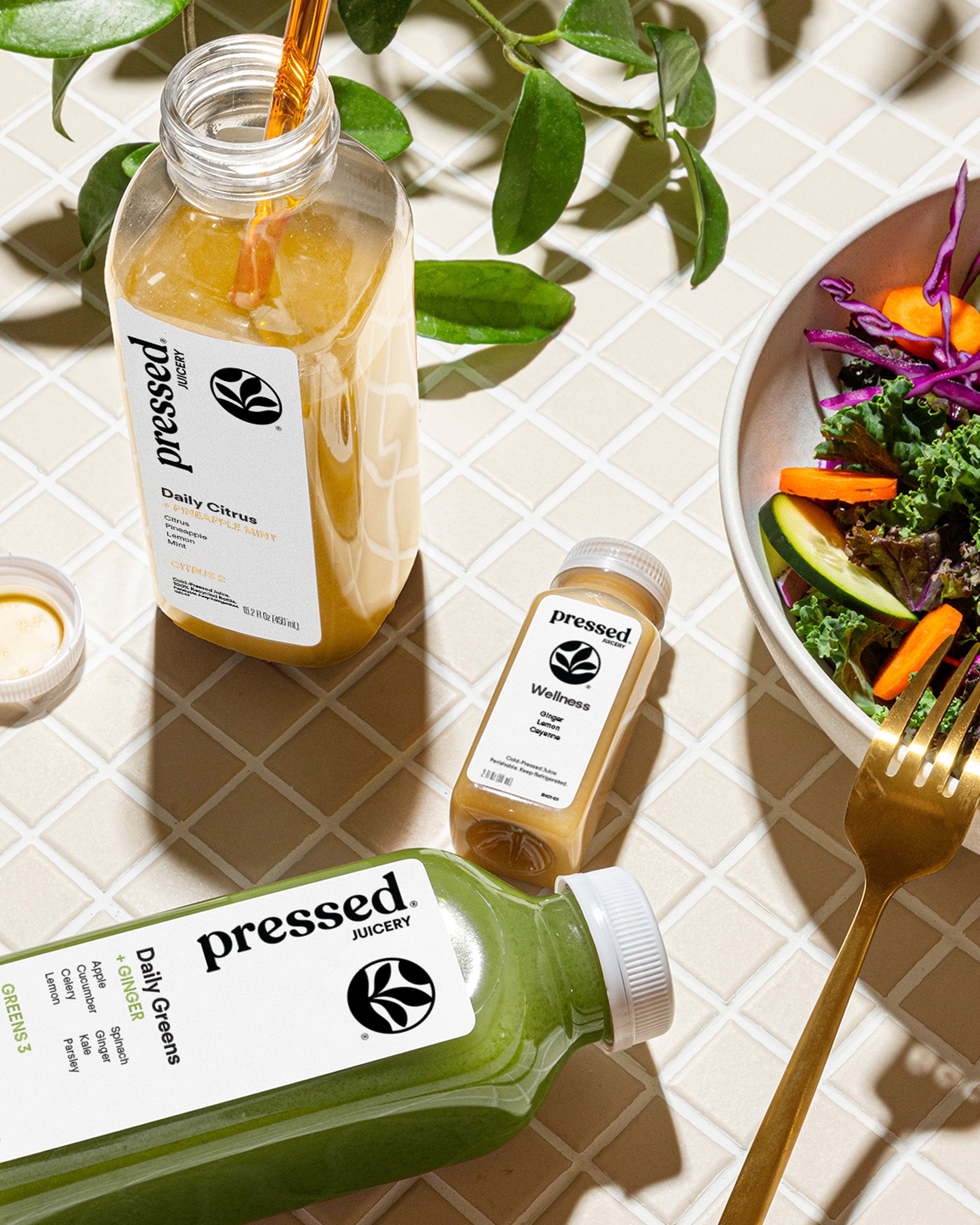
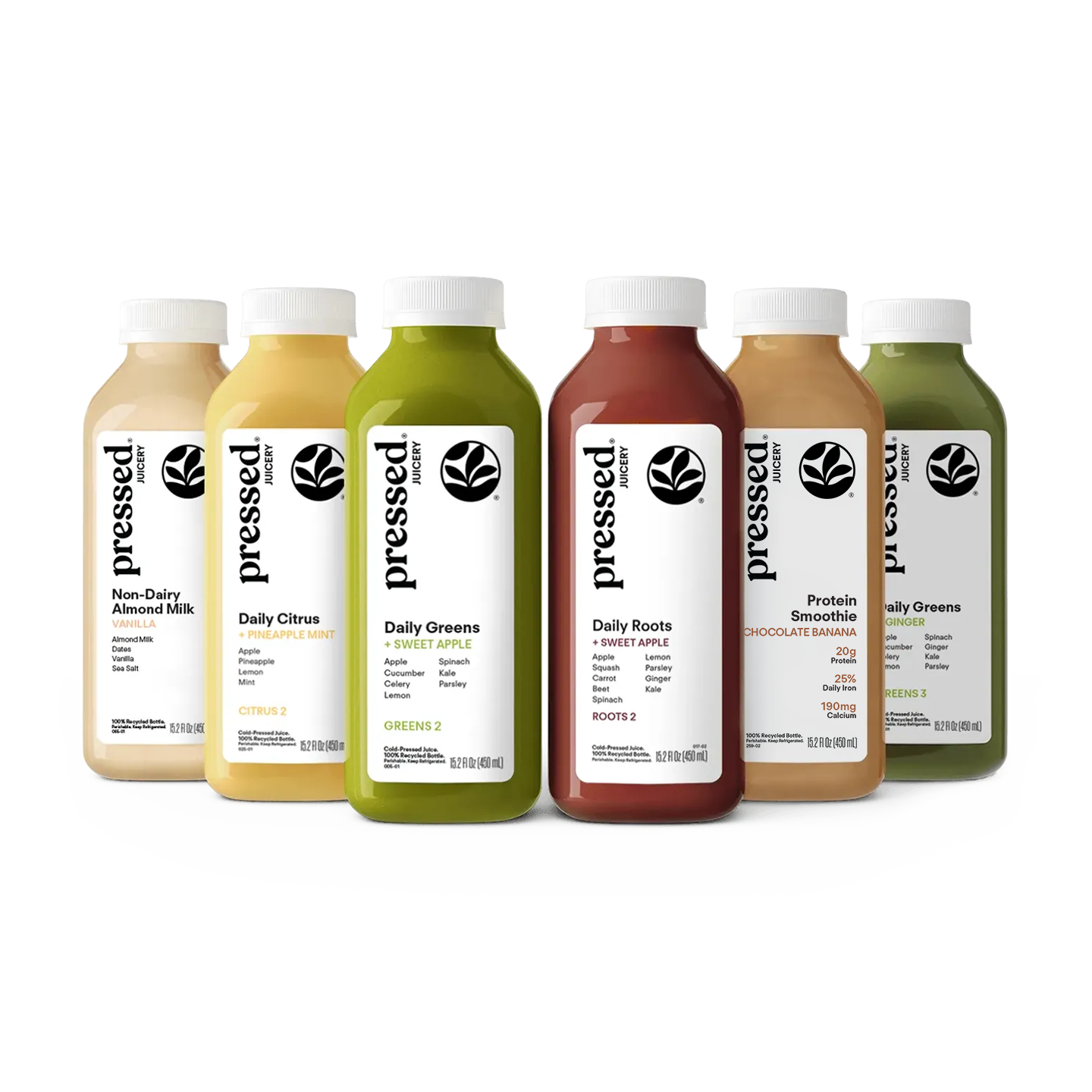
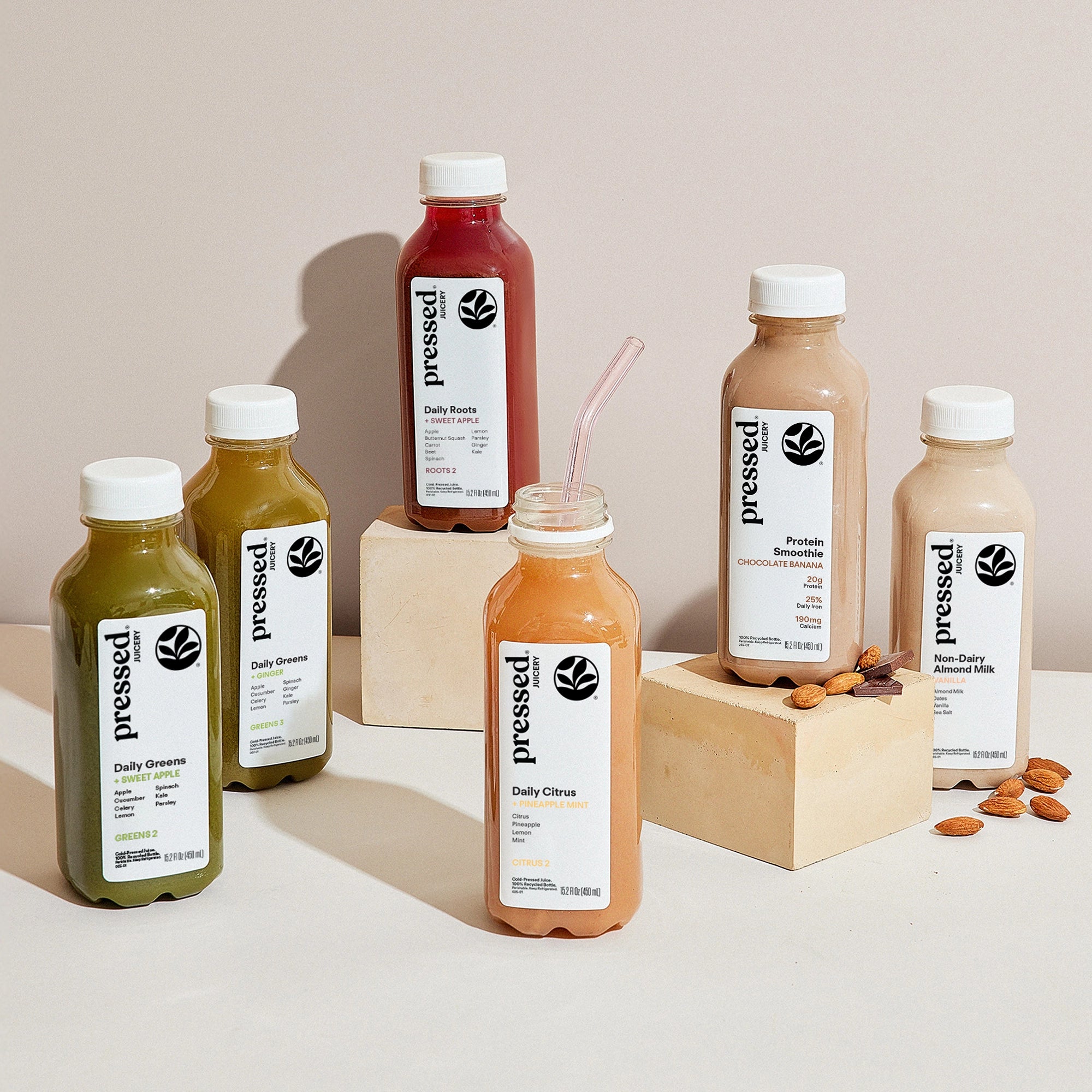
At Pressed, sustainability is about reducing impact one bottle at a time. Our mission is to pave the way for plant-forward living while being mindful of how every step of the process affects the planet.
Reducing Food Waste Through Mindful Sourcing
One of the biggest ways we support a more sustainable food system is by rethinking how ingredients are sourced. Most of the produce we use wouldn’t typically make it to grocery shelves due to superficial imperfections. By giving this produce a purpose, we help reduce unnecessary waste while still delivering the same nutrients and flavor.
Our process is also designed with intention. Through purposeful pressing, we extract flavor, nutrients, and enzymes efficiently while minimizing excess waste. Any remaining pulp doesn’t go unused. Instead, it’s repurposed as animal feed, helping us close the loop on production.
We also work to extend the life of our products wherever possible. Our retail teams partner with local organizations to donate items nearing their best-by date, ensuring more food reaches people instead of landfills.
Crafting Better Packaging
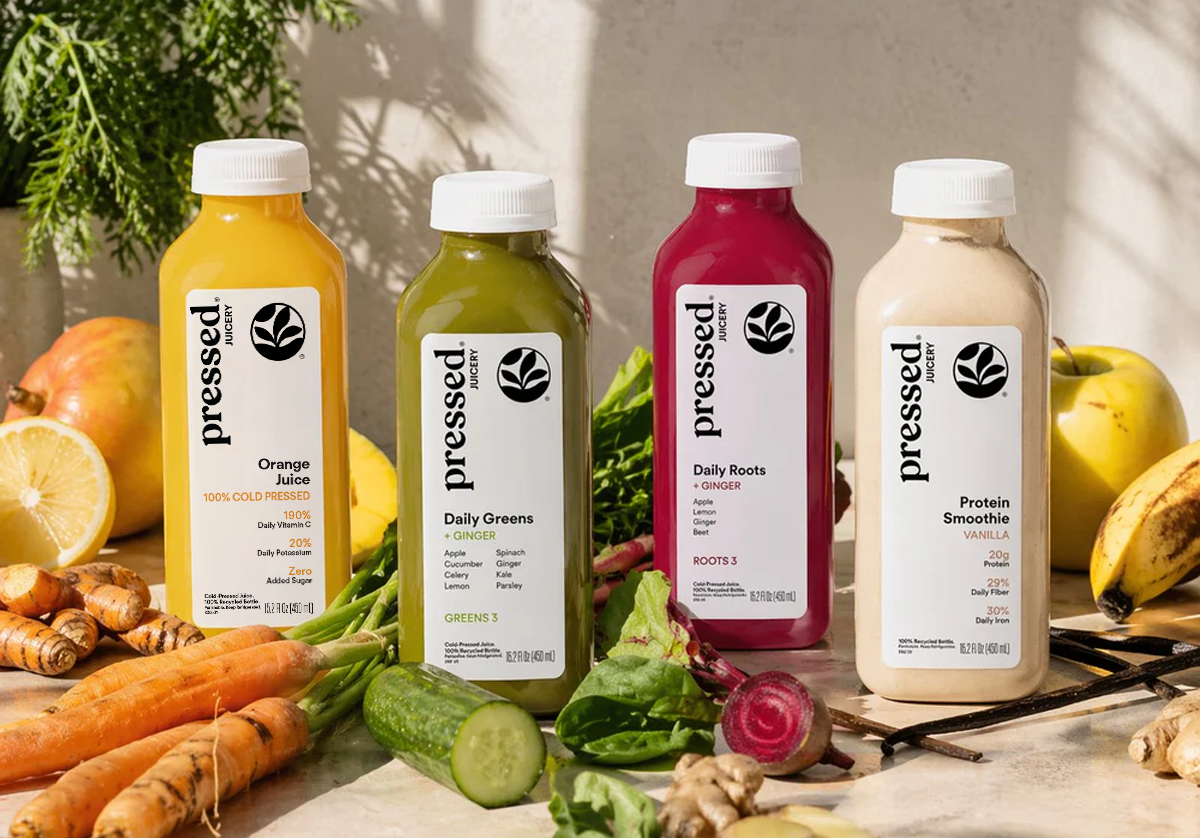
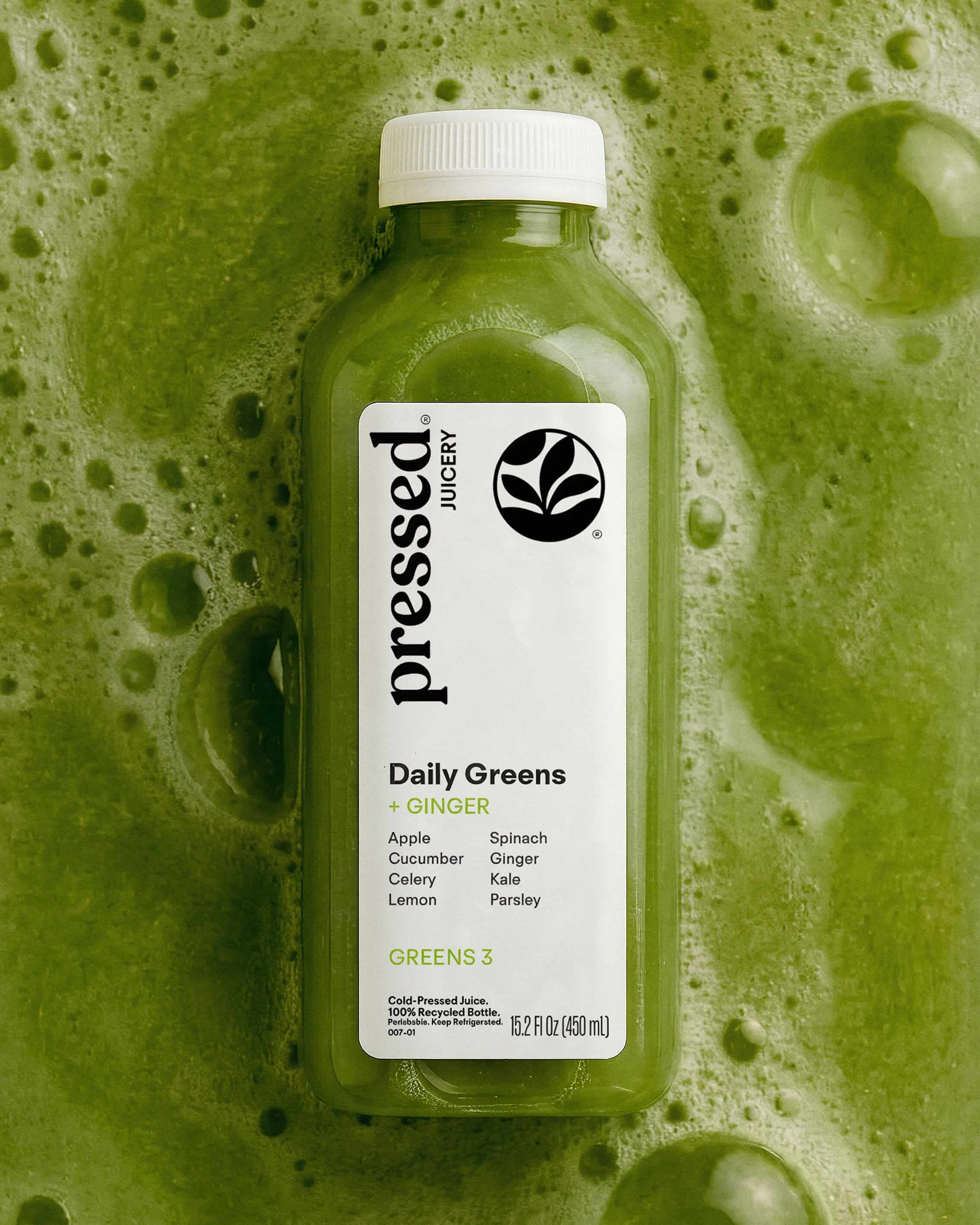
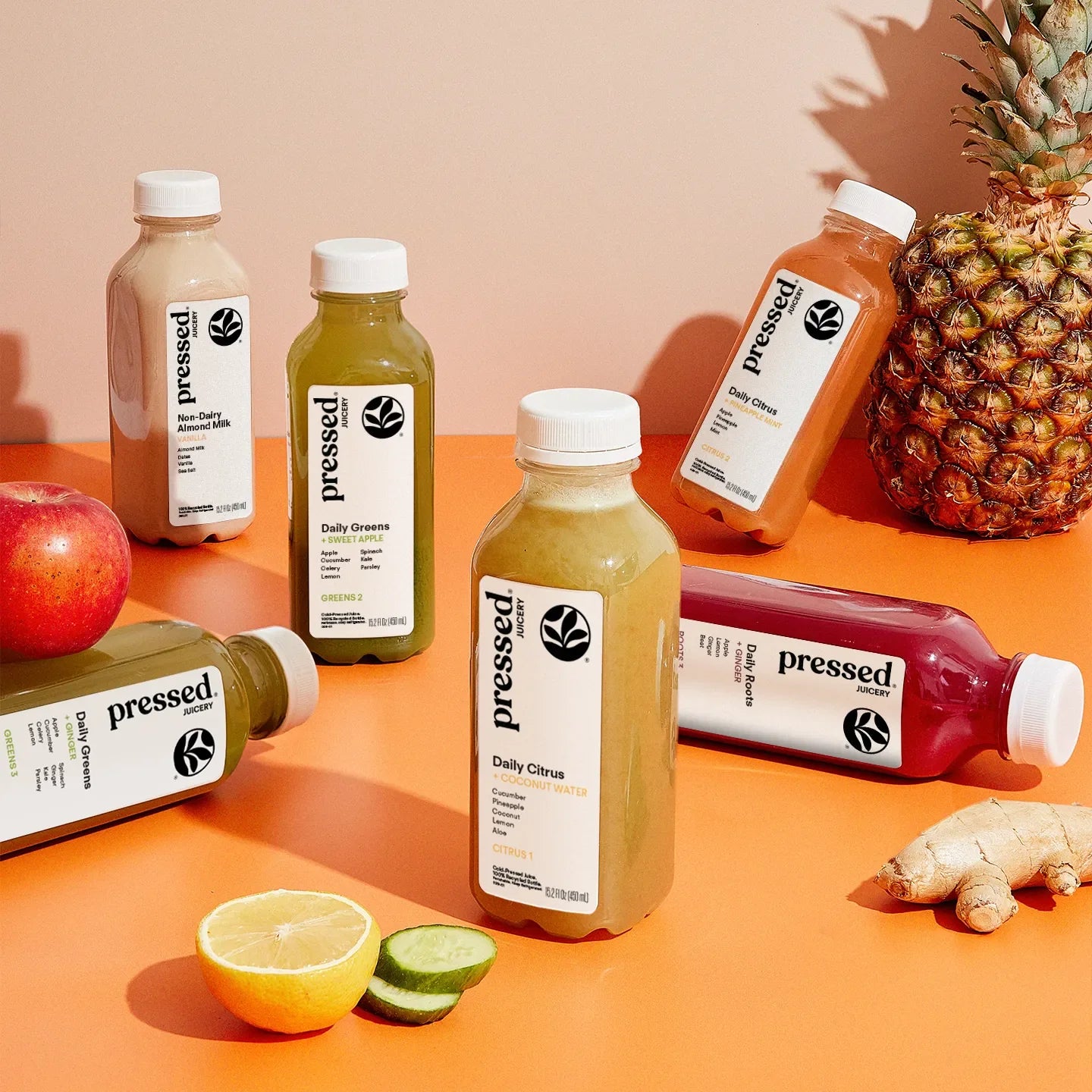
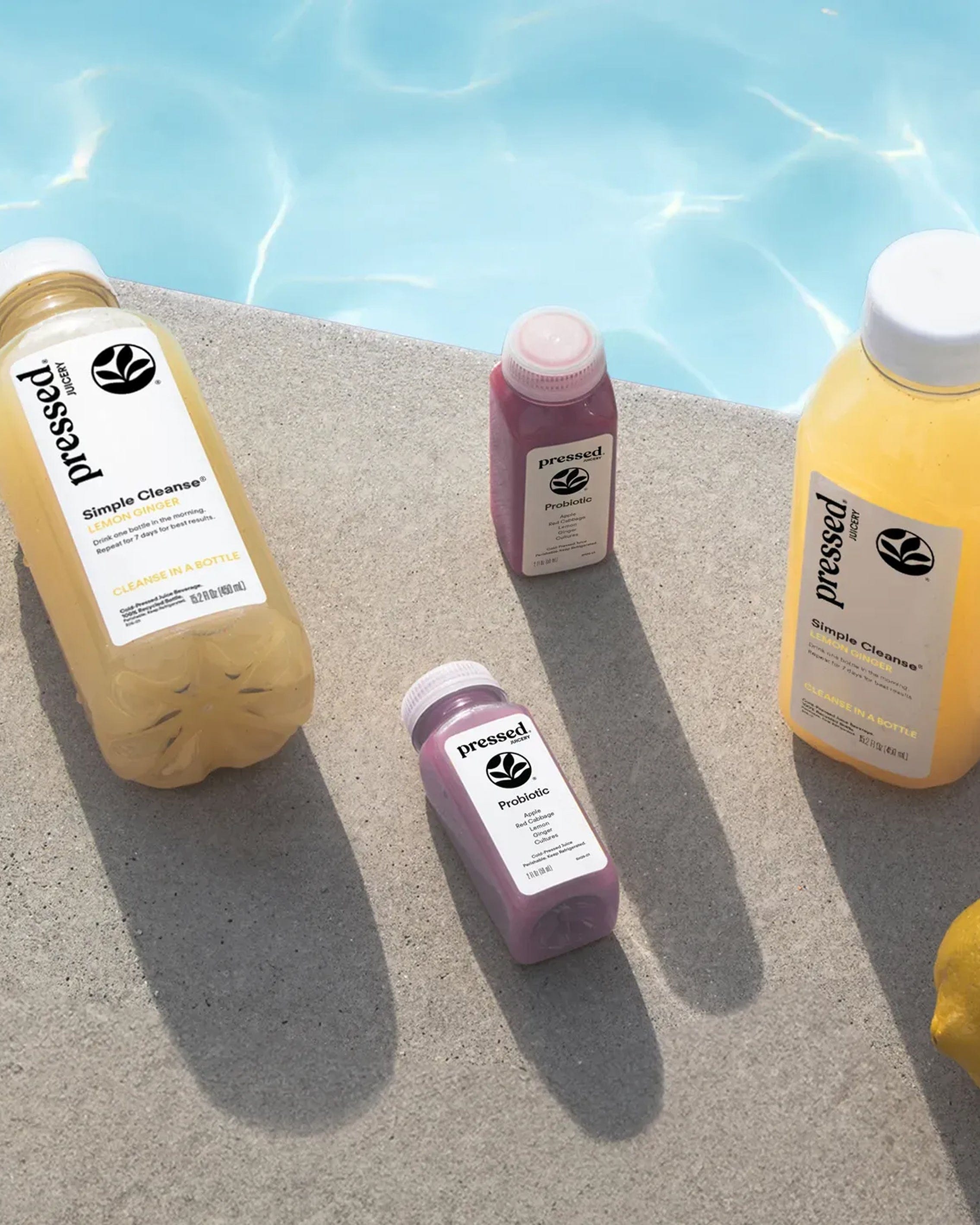
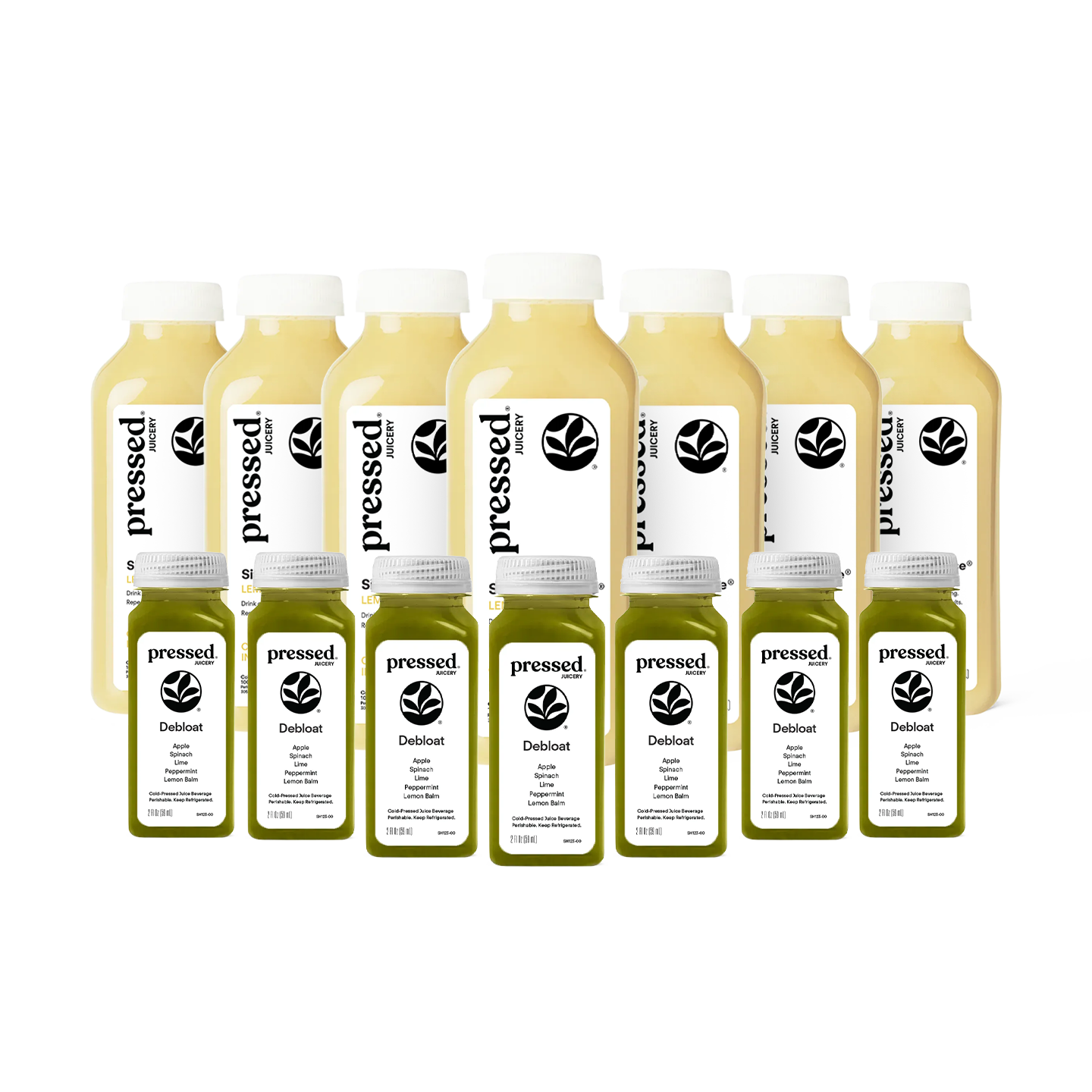
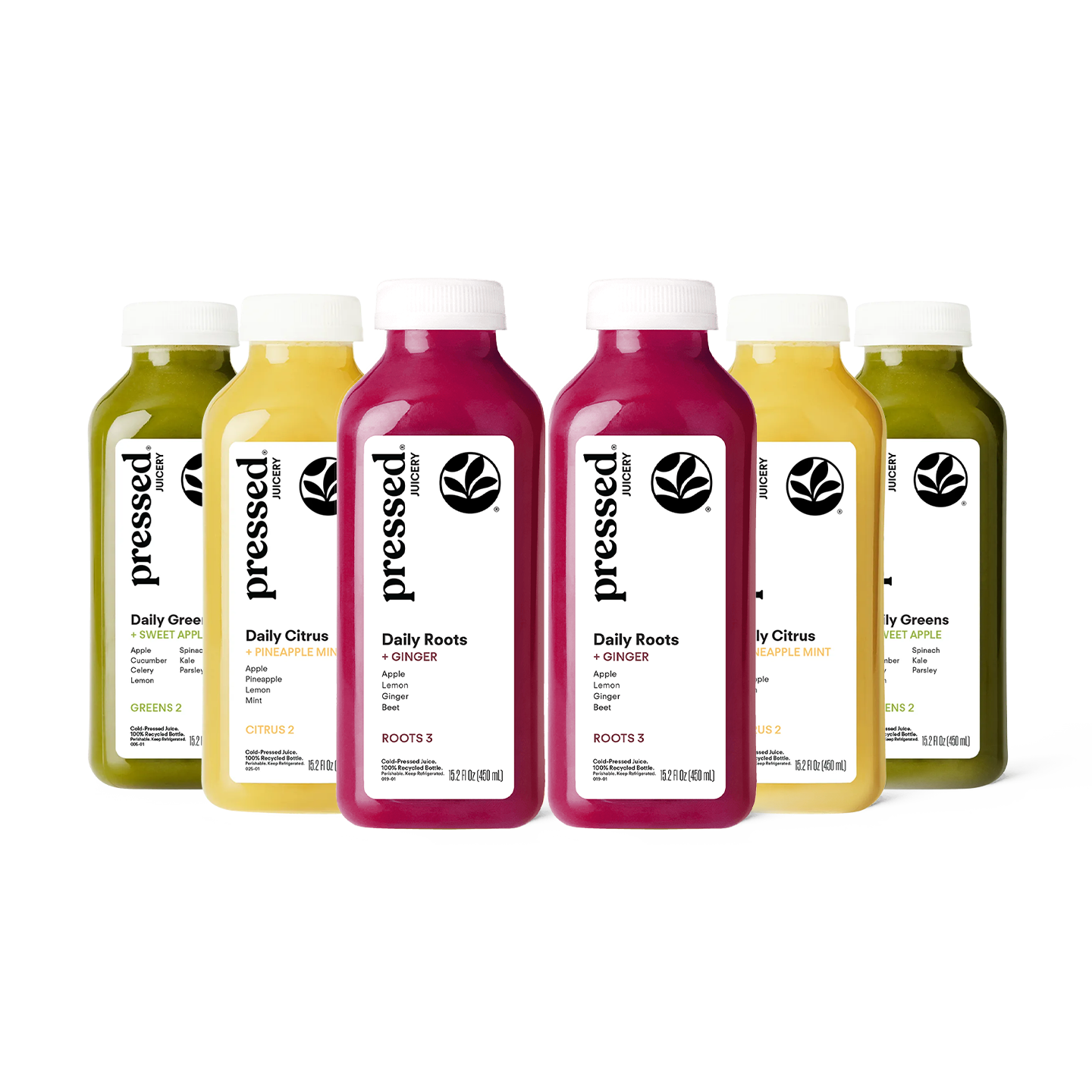
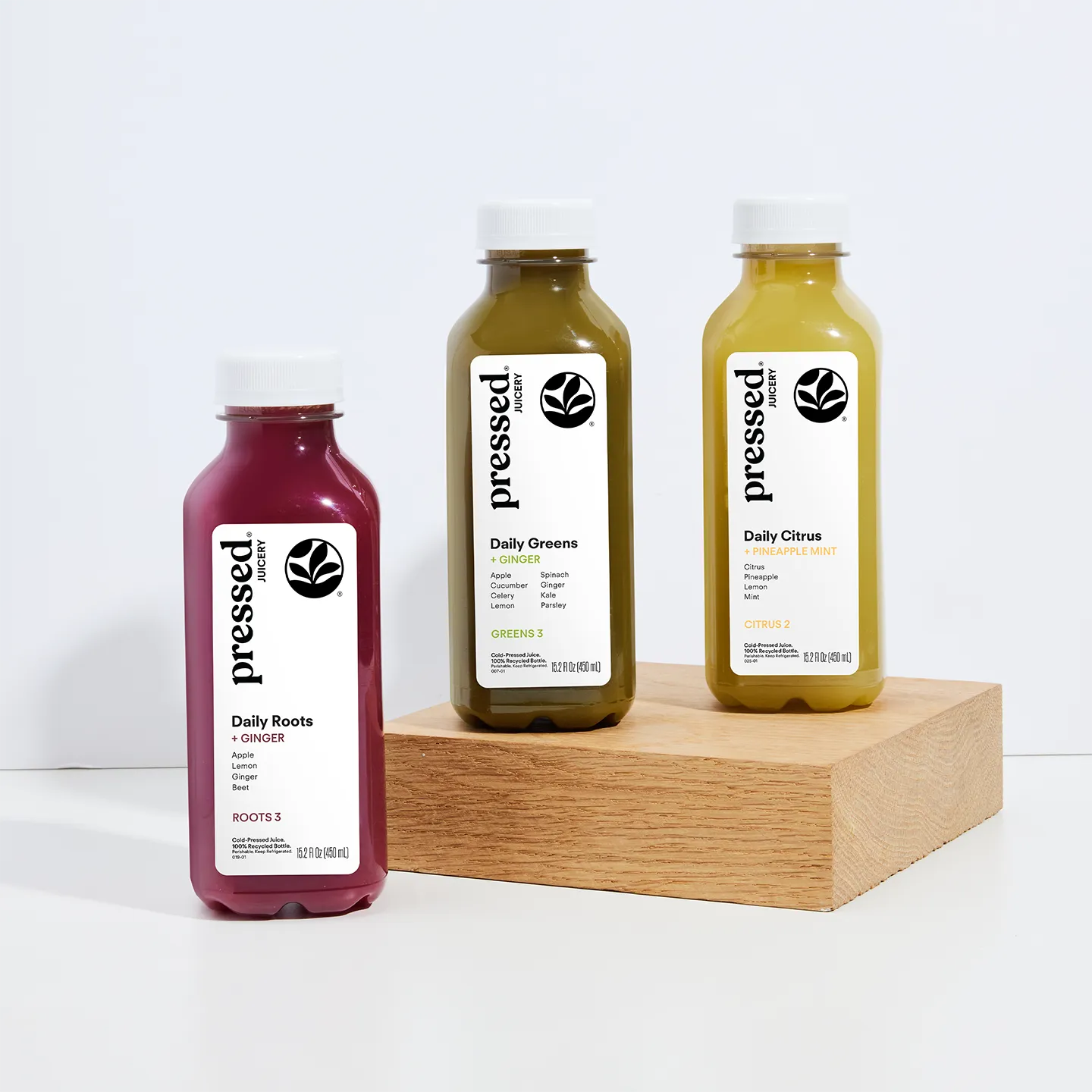
Packaging plays a major role in environmental impact, which is why we’re focused on making better choices here too. Our juice and smoothie bottles are made from 100% rPET, a recycled plastic that is fully recyclable and helps reduce reliance on virgin materials.
We’ve also rethought the details:
- Shipping boxes are recyclable and designed with sustainability in mind
- Box liners are recyclable, and ice packs can be repurposed as plant food
- Our spoons are made from agave waste and biodegrade much faster than traditional plastic
Together, these efforts help reduce waste and lower the overall footprint of our packaging.
Understanding and Reducing Our Carbon Footprint
To make meaningful progress, we believe in measuring what matters. That’s why we’ve taken a close look at our carbon footprint across the entire business, from sourcing ingredients to distribution and retail.
This work helps us identify where we can improve most. For us, distribution and packaging have been key focus areas, and we’ve taken steps to reduce emissions by:
- Shipping more efficiently and taking fewer trips
- Expanding distribution centers to reduce travel distance
- Moving some shipments by rail to lower emissions
These changes are part of our ongoing effort to reduce environmental impact and operate more responsibly.
Collaborating for a Better Future
Sustainability is not something we do alone. We actively collaborate with partners and our community to find creative ways to reduce waste and give materials a second life.
From repurposing bottles into artwork to hosting recycling initiatives and supporting regenerative agriculture efforts, we’re always looking for ways to push progress forward.

The Power of Everyday Choices
While brands have a responsibility to lead, individual choices matter just as much. The foods you choose, how you store them, and how much you waste all contribute to the bigger picture.
Simple habits can go a long way:
- Choosing more plant-forward options
- Buying only what you need
- Finding creative ways to use leftovers
- Being mindful of packaging
Eating seasonally is another easy way to make a positive impact. If you’re looking for inspiration, check out our guide tospring fruits and vegetables.
Reducing Food Waste Starts at Home
A large portion of food never gets eaten, which means all the resources used to produce it go to waste too. Cutting down on that waste is one of the most effective ways to support a more sustainable system.
Planning meals, storing food properly, and composting when possible are simple steps that can make a big difference.
A Bigger Picture: Food and the Future
Food sustainability is also about ensuring long-term access to nutritious food. As climate challenges grow, building systems that are resilient and efficient becomes even more important.
This includes supporting better farming practices, reducing emissions, and improving how food moves from farms to communities.
Moments like Earth Day are a reminder that collective action, even on a small scale, can lead to meaningful change.
Final Thoughts
So, what does food sustainability really come down to? It’s about being more intentional. It’s about recognizing that every step in the food journey matters.
At Pressed Juicery, we’re always looking for ways to improve, from how we source ingredients to how we reduce waste and rethink packaging.
Because when small choices are made consistently, they add up to something much bigger.