
How to Do a Juice Cleanse at Home: A Beginner's Guide
By: Sarah Glinski, RD
Looking for a fresh start? A juice cleanse is one of the most approachable ways to reset your routine, boost your fruit and vegetable intake, and reconnect with how nourishment makes you feel.
Whether you're easing into healthier habits, taking a pause after a busy season, or simply craving more plants in your day, juice cleansing can be a flexible, feel-good tool—not an all-or-nothing rulebook.
At Pressed Juicery, we've helped millions of people feel their best through thoughtfully-crafted cold-pressed juices and guided cleanses—whether that's a one-day refresh, a three-day reset, or simply adding juice to your everyday routine.
If you're new to juice cleansing, this guide will walk you through exactly how to get started at home—plus how Pressed makes cleansing simple, flexible, and delicious.
"A juice cleanse is one of the most approachable ways to reset your routine, boost your fruit and vegetable intake, and reconnect with how nourishment makes you feel." - Sarah Glinski, RD
What Is a Juice Cleanse
A juice cleanse (sometimes called a juice fast or juice detox) is a short-term eating pattern focusing primarily on fruit and vegetable juices. Some people choose to drink only juice for a set time period, while others use juice more flexibly—such as alongside light meals or as part of their daily routine.
Rather than being about restriction, many people view juice cleansing as a reset: a chance to give their body nutrients, simplify food choices, and tune in to hunger, energy levels, and digestion.
Juice cleanses aren't required for health, but for the right person, they can be an energizing way to refresh their habits and reconnect with nourishing, plant-based foods.
One key difference between fresh juice and whole fruits and vegetables is fiber. Fresh juice typically has the fiber and pulp removed, which means it is digested more quickly. Many people enjoy juice because it's gentle on digestion and allows them to consume a wide variety of fruits and vegetables they might not otherwise eat in one sitting.
Cold-pressed juice is made by extracting the juice from raw fruit and vegetables and separating out the pulp. Instead of heat pasteurization, it's often preserved using High-Pressure Processing (HPP), which helps preserve its fresh flavor, vibrant color, and nutrient quality.
Blended juices or smoothies, on the other hand, keep the whole ingredient intact (including fiber), resulting in a thicker, more filling drink. Many people gravitate towards cold-pressed juices for their fresh taste and convenience, especially during a short cleanse or reset.

Why People Try a Juice Cleanse
People choose juice cleanses for many different reasons, including:
- Increasing fruit and vegetable intake
- Simplifying meals during busy periods
- Feeling refreshed or more energized
- Creating a mindful pause around eating habits
Some people notice short-term changes in weight, digestion, or bloating, while others appreciate the mental reset that comes from stepping away from constant food decisions.
Juice cleansing isn't about perfection—it's about creating space for nourishment in a way that feels doable and supportive.
How to Start a Juice Cleanse
If you're wondering how to start a juice cleanse, you've come to the right place! Here's everything you need to know to do one safely.
Choose a Cleanse Length
When starting a juice cleanse, shorter is often more approachable, especially if you've never done one before:
- 1-Day Cleanse: A great introductory reset
- 2-Day Cleanse: A two-day, higher protein cleanse to help you reset and rebalance
- 3-Day Cleanse: A deeper refresh for those with prior experience
Longer doesn't necessarily mean better. Many people find that shorter, more flexible approaches are easier to integrate into real life while being just as impactful.
Prepare Your Body Ahead of Time
To get the most from your cleanse:
- Drink plenty of water beforehand
- Focus on whole foods and vegetables
- Reduce alcohol and ultra-processed foods
Setting an intention—rather than an outcome—helps create a positive experience.
How to Do a Juice Detox at Home
If you want to do a juice detox at home, you have two options: make your own fresh juice or buy cold-pressed juice. Pressed cleanses take the guesswork out of timing, balance, and variety—making it easier to stay consistent and focused on how you feel.
Decide How You'll Get Your Juice
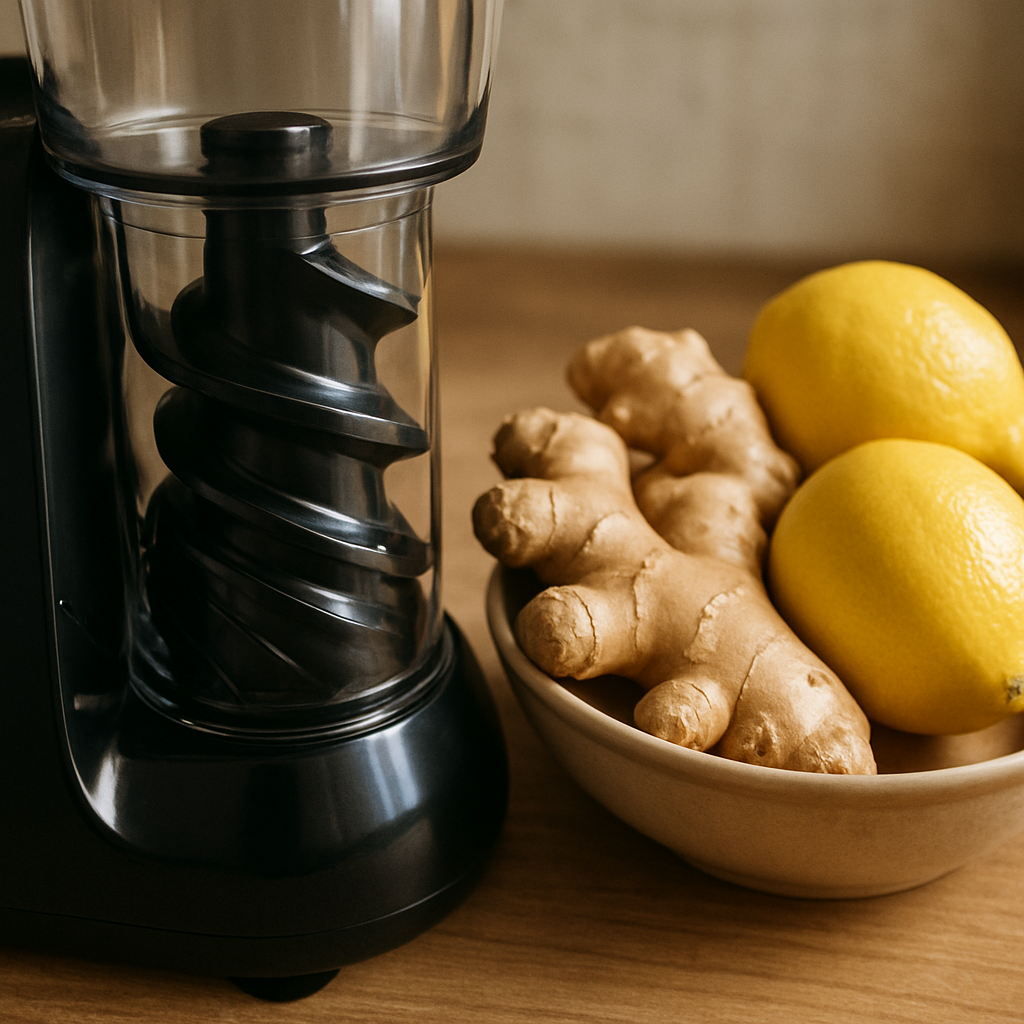
To make your own detox juice, you will need access to a high-quality juicer and fresh ingredients. You will also need to decide which juice recipes you will make.
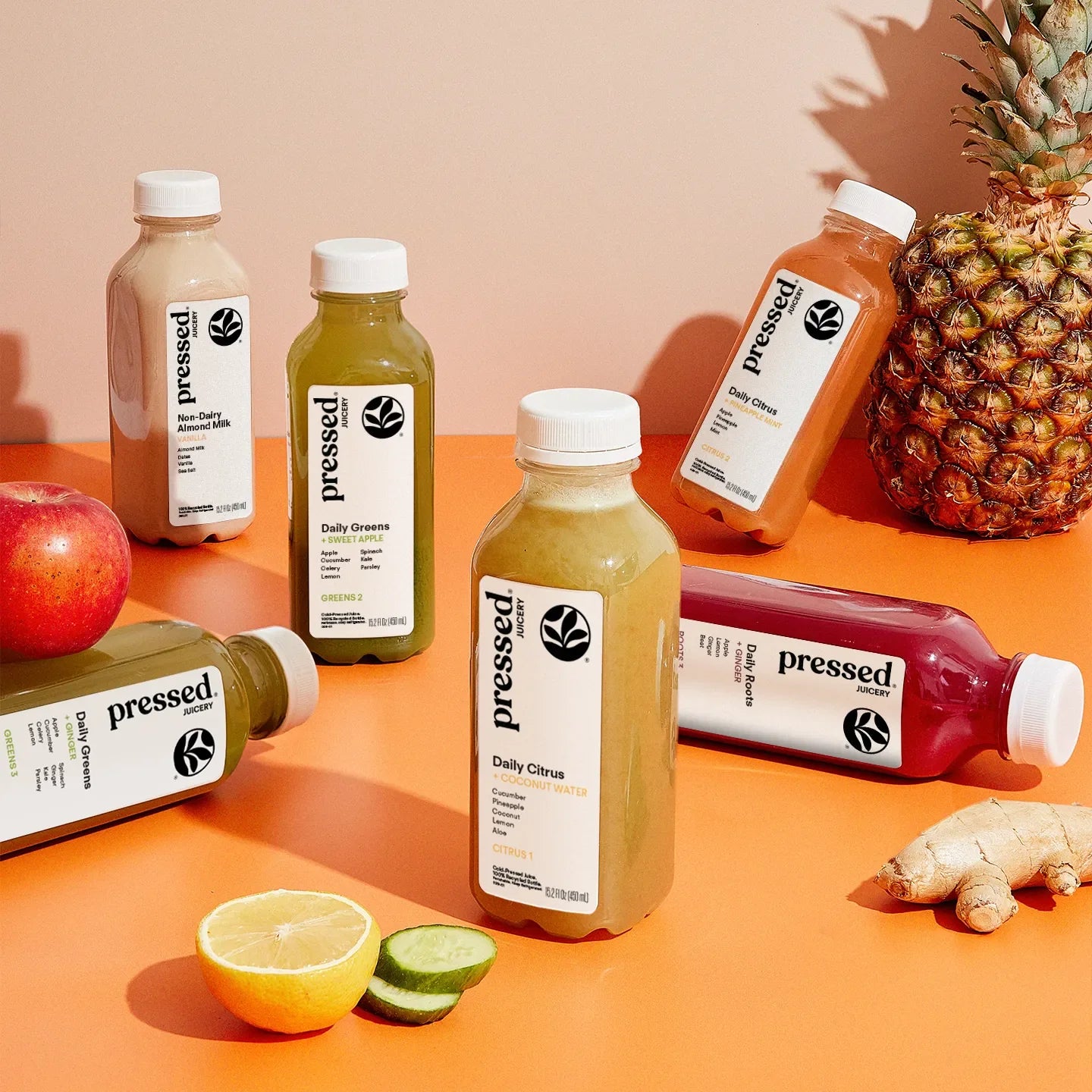
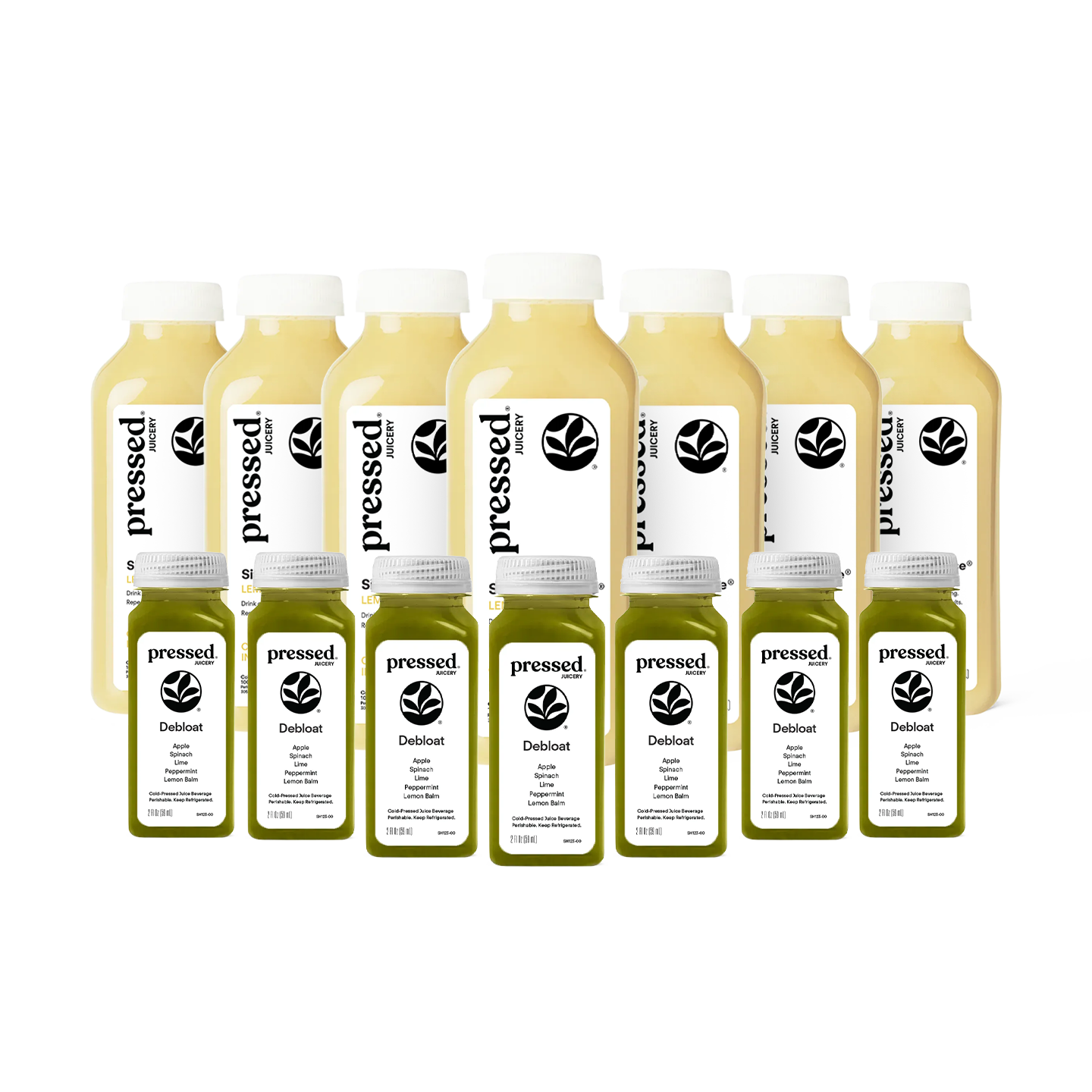
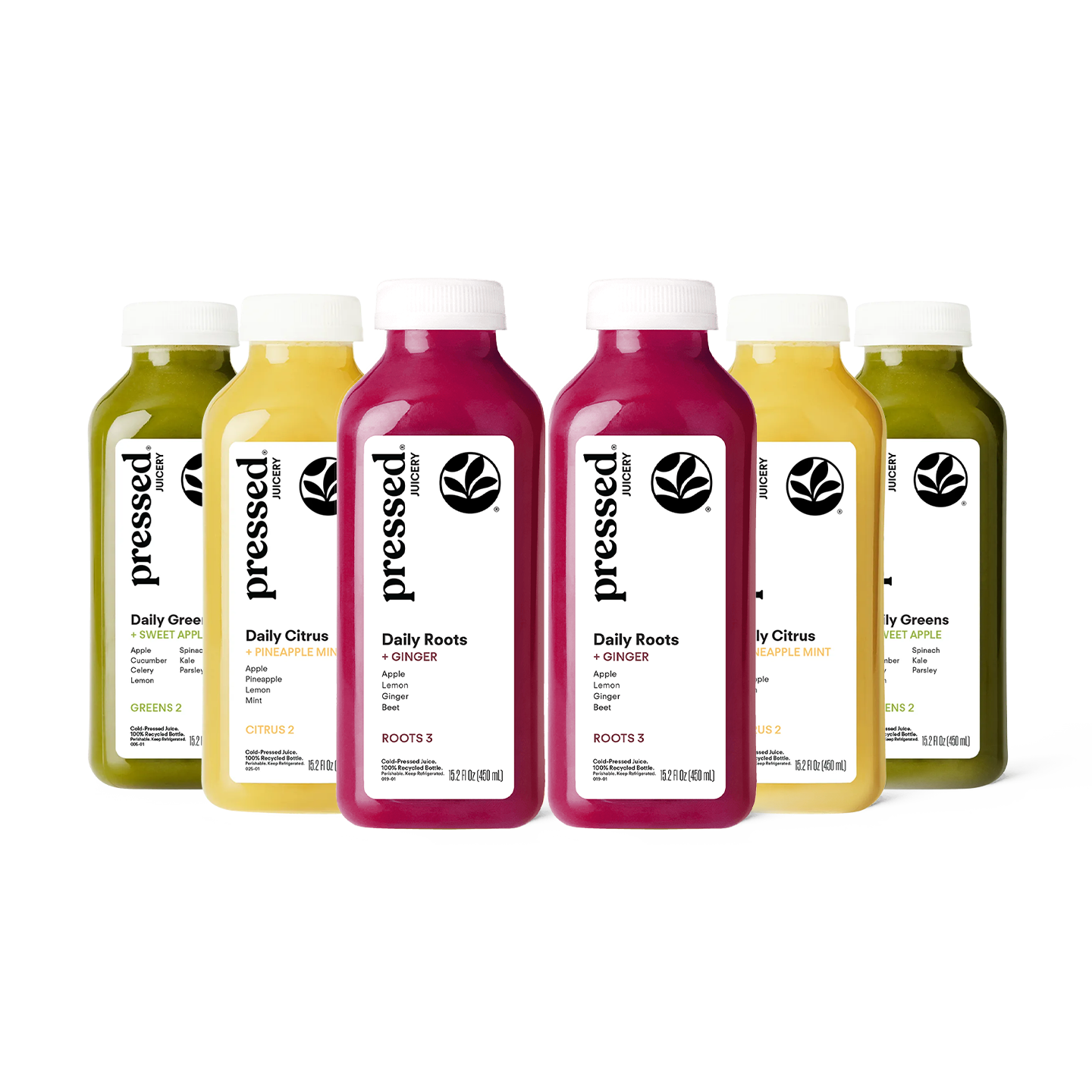
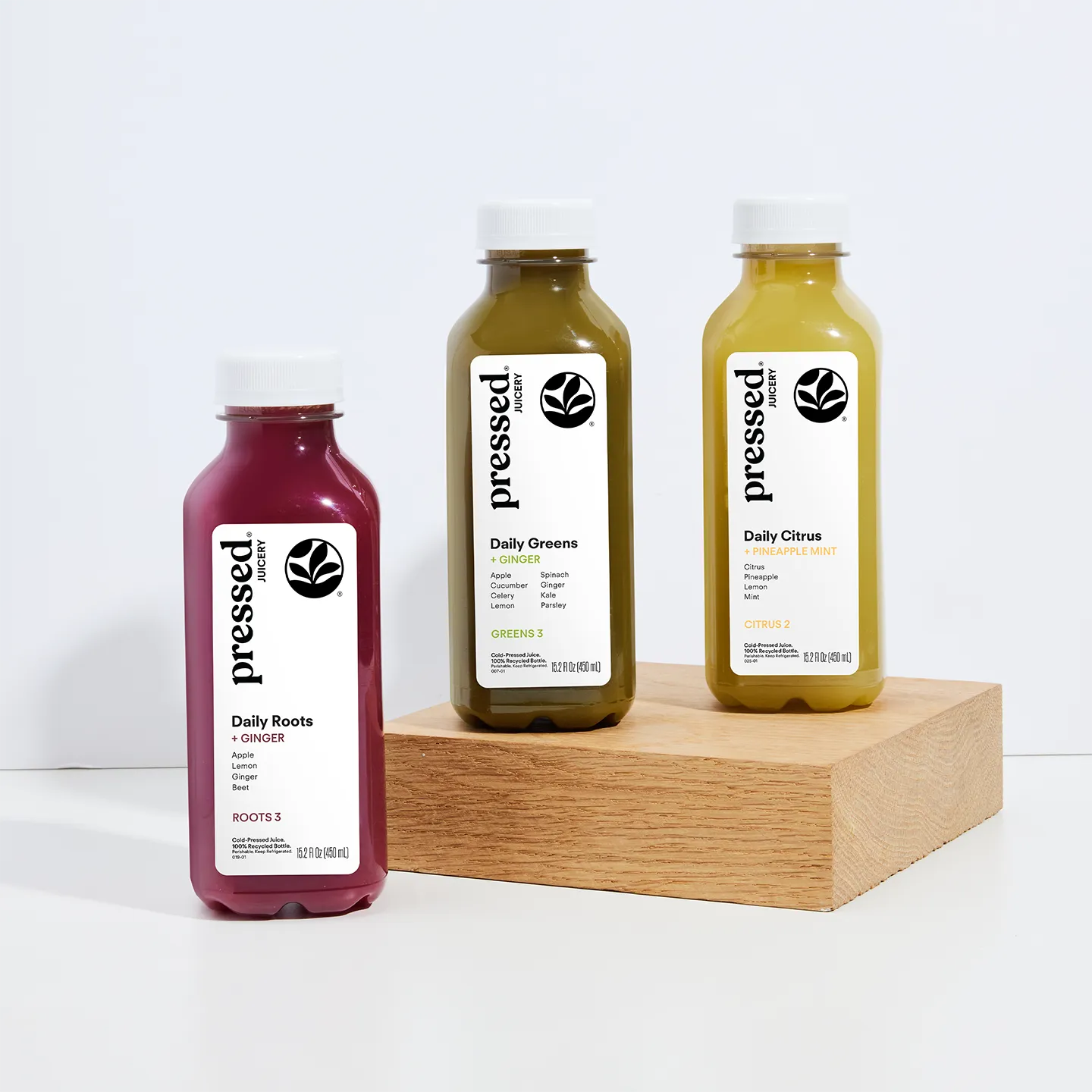
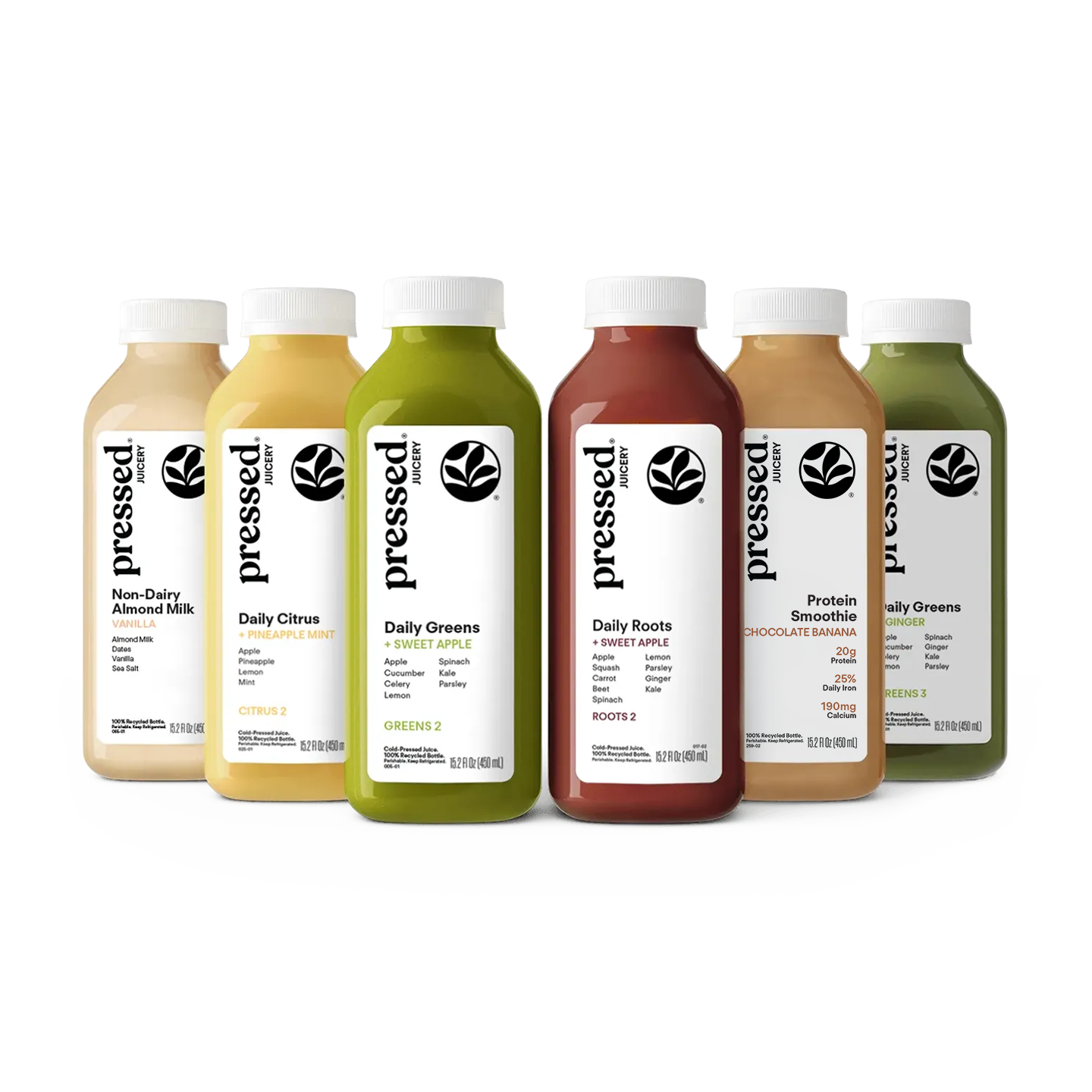
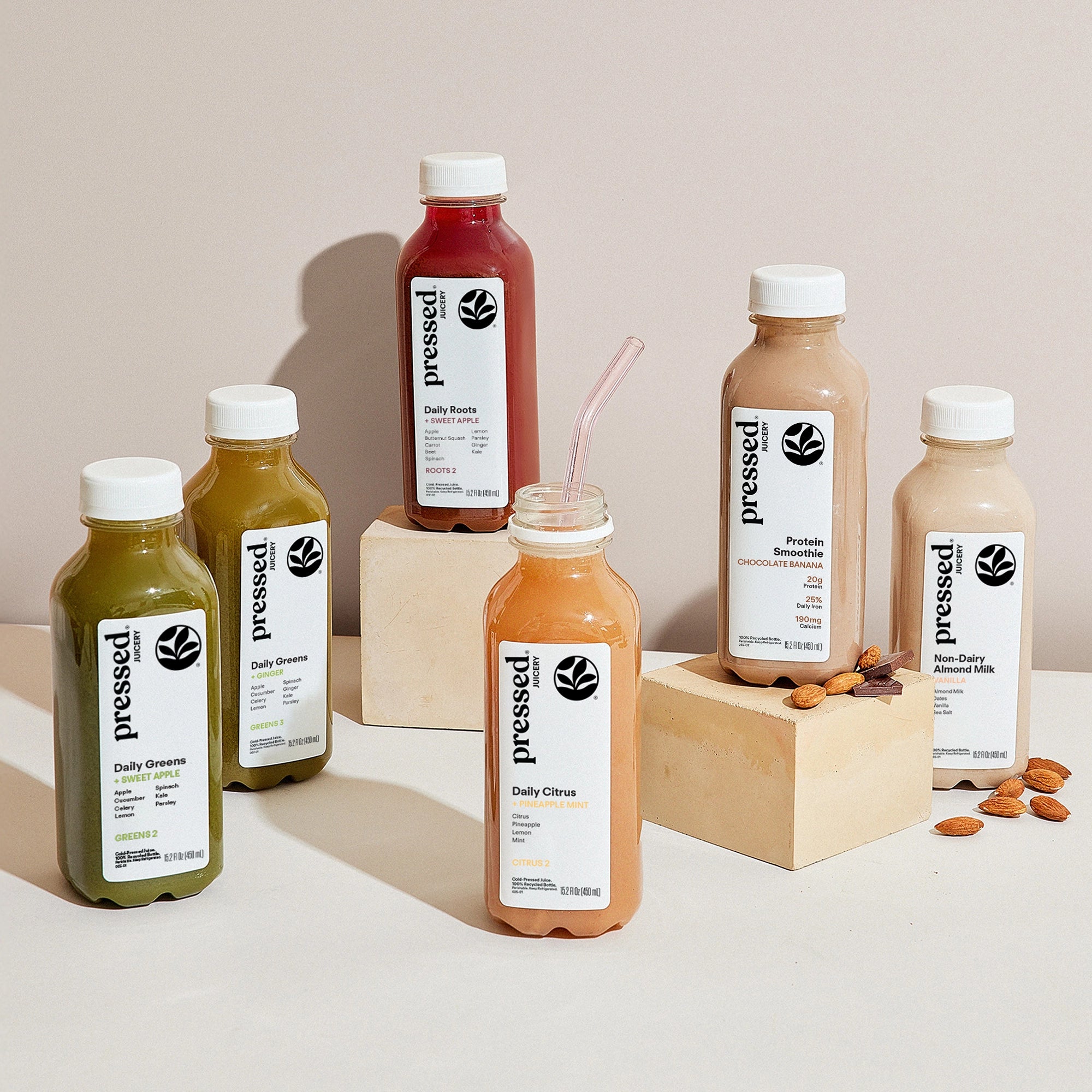
If you'd prefer the convenience of pre-made juice, you can buy cold-pressed juices, such as this juice and smoothie cleanse or this one-day reset detox kit.
What to Look for in Juices
While many juice diets rely on overly sweet, fruit-forward juices, it's important to choose juices that balance vegetables and fruits. While green juices made with leafy greens tend to have a stronger flavor, they're also some of the most nutrient-dense foods on the planet and are rich in vitamins, minerals, and antioxidants.
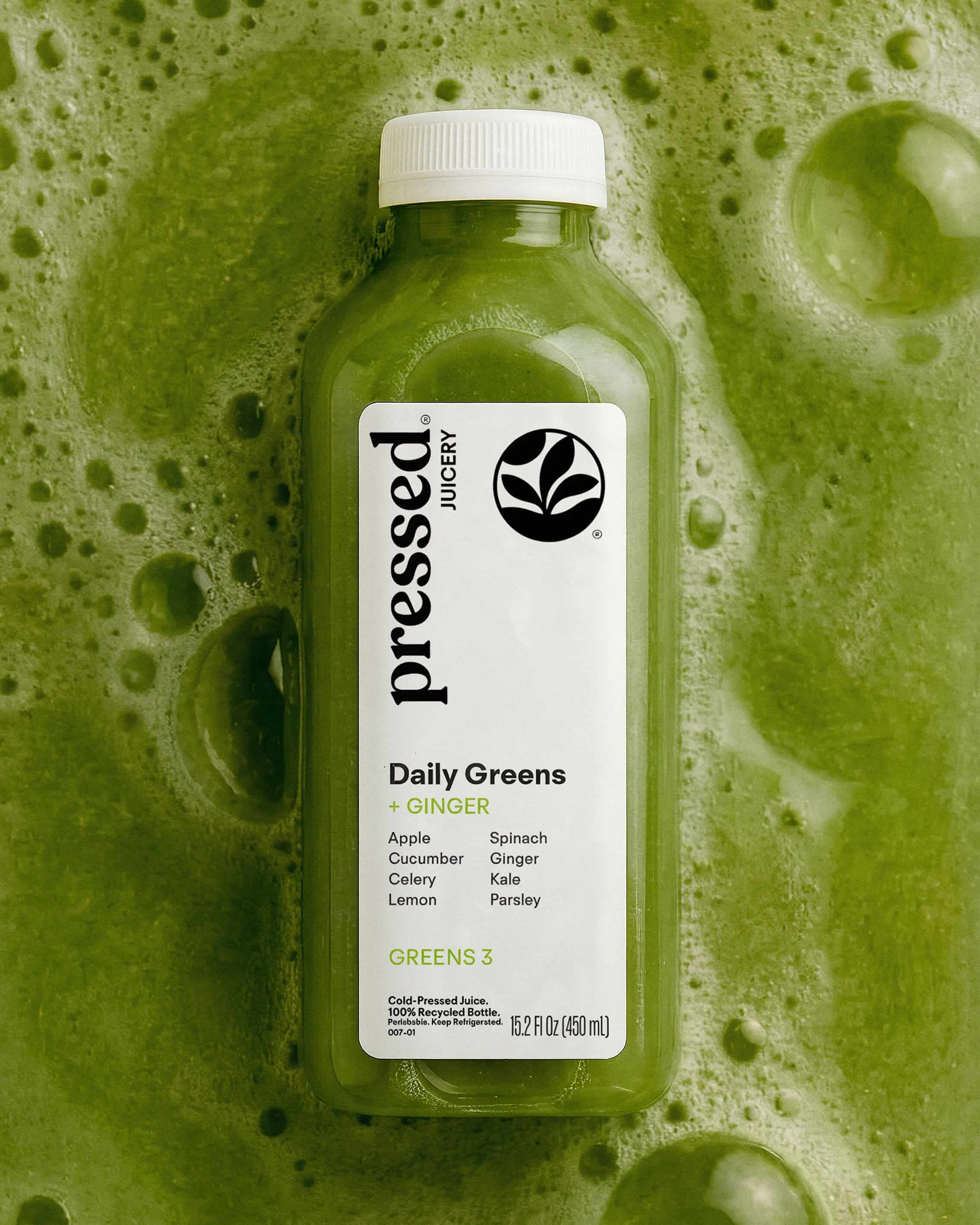
If you're not ready to jump straight into green juices, consider juices that combine leafy greens with fruits like green apple and citrus. These juices still provide the vitamins and minerals found in leafy greens while being more beginner-friendly due to their natural sweetness.
It's also important to choose 100% juice, such as Pressed's cold-pressed juice. 100% juice contains a high concentration of plant compounds called polyphenols, which act as antioxidants. They also contain high levels of vitamins, especially vitamin C.
Fruit and vegetable juices may also:
- Lower blood pressure and improve blood lipid (fat) profiles
- Reduce inflammation
- Lower risk of diseases like heart disease and diabetes
- Increased levels of good bacteria in your gut
Adding 100% cold-pressed juice to your routine, whether it's through a multi-day cleanse or simply adding juice to your regular diet, can be an accessible way to reap the benefits of fruits and vegetables without having to munch your way through a giant plate of broccoli.
How to Do a Juice Cleanse Diet (What a Day Looks Like)
Curious what a day during a juice cleanse looks like? We've broken it down for you so you know exactly what to do at each time during the day.
MorningStart your day with a big glass of water (the elixir of life!), followed by your first juice.
Midday
Enjoy juice every 2 to 3 hours (you may find it helpful to use your phone's calendar or a daily planner to schedule your juices). Stay hydrated with water or herbal tea, and keep movement gentle (think walks, stretching, or yoga).
Evening
Once the evening rolls around, it's time for your final juice and nighttime routine. Once you've had your final juice, take a moment to reflect on how the day went and check in on your energy levels.
What to Expect During a Juice Cleanse
It's normal to feel hungry during a juice cleanse, and your energy levels will likely change throughout the day. Pay attention to these feelings, as they may help you distinguish between true hunger and habit eating (for example, reaching for something sweet during the afternoon).
You may also notice changes in your digestion. Liquids leave your stomach much more quickly than solid foods, which can lead to feeling hungry soon after drinking your juice. You may also experience less frequent bowel movements.
Listen to your body and adjust as needed. If you start to feel dizzy or lightheaded, you may need to stop the cleanse and add back solid foods containing protein and fats.
Common Juice Cleanse Mistakes to Avoid
Rather than "mistakes," think of these as gentle reminders:
- Stay hydrated—water and herbal tea support energy and digestion
- Make sure to choose juices with a combination of vegetables and fruits rather than relying on fruit-forward juices
- Treat cleansing as a reset, not a challenge
- Transition back to solid foods gradually
Cleansing should feel supportive. If something doesn't feel good, it's okay to adjust. Flexibility is part of the process!
Transitioning Back to Solid Foods
Once you've finished your juice cleanse, it's important to gradually reintroduce solid foods, particularly if you did a longer cleanse. This gives your digestive system a chance to adjust to solid foods.
Start with easy-to-digest options such as oatmeal, Cream of Wheat, scrambled eggs, mashed potatoes, ripe bananas, and unsweetened applesauce. Once those foods feel comfortable, you can start adding protein sources (such as fish, poultry, tofu, or tempeh), plain yogurt or kefir, and steamed vegetables. Finally, reintroduce higher-fiber foods such as berries, nuts, and seeds.
If you're using a cleanse as a reset for healthier eating habits, try incorporating some of the following tips once you've finished the cleanse:
- Build meals around protein, fiber, and healthy fats
- Aim for half your plate to be filled with non-starchy vegetables
- Eat every 3 to 4 hours to support energy levels and blood sugar
- Eat slowly, paying attention to when you become comfortably full
- Focus on what you can add, not what you need to cut out
Remember, consistency over time matters more than any single meal.
Is a Juice Cleanse Right for You?
Juice cleansing can be a helpful tool for many people, but it's not the only path to better nutrition.
If you have specific medical conditions, are pregnant or breastfeeding, or have a complex relationship with food, it's always best to check in with a healthcare provider before starting a cleanse.
And remember—you don't have to do a full cleanse to benefit. Simply adding a bottle of cold-pressed juice (like in our 7-Day Cleanse) to your daily routine can be a refreshing way to boost your nutrient intake and support a more plant-forward lifestyle.

Conclusion
A juice cleanse should feel supportive, not rigid. The most important thing is to listen to your body and choose an approach that works for you. For some, that may look like enjoying one bottle of juice alongside regular meals. For others, it may be a short, juice-only reset. There's no single "right" way to cleanse.
Whether you're making juice at home or reaching for ready-to-drink cold-pressed options from Pressed Juicery, a balanced and flexible mindset goes a long way.
And remember: a juice cleanse isn't a requirement for healthy eating. You can still experience the refreshing, nourishing benefits of cold-pressed juice by adding it to your routine gradually—whether that's a one-day refresh, a half-day reset, or simply making juice part of your everyday rhythm.
Frequently Asked Questions
What's the best way to do a juice cleanse?
There is no "right" way to do a juice cleanse. Some people may want to incorporate one or two bottles of juice while maintaining their regular diet, while others may prefer a longer juice-only cleanse. Regardless of the cleanse you choose, it's important to be flexible and make adjustments based on how you're feeling. If you have any medical conditions, speak with your doctor before doing a juice cleanse, as it may not be appropriate for you.
How often can I do a juice cleanse?
Many people cleanse once or twice per month, or incorporate mini resets more frequently. It's all about finding a rhythm that works for you and your body.
Do I need to juice at home?
No—Pressed cold-pressed juices offer convenience, balance, and quality without prep or cleanup.
Is a juice cleanse good for weight loss?
While some people experience short-term weight loss, juice cleansing is best used as a short-term reset rather than a long-term weight loss strategy.
How often should you drink green juice?
You can enjoy green juice daily as part of a balanced diet. Many people start their day with a glass of green juice for hydration and a natural energy boost.
References
- Sarma, U., TR, B. (2024). Dietary phytonutrients in common green leafy vegetables and the significant role of processing techniques on spinach: a review. Food Prod Process and Nutr. 6(10). https://doi.org/10.1186/s43014-023-00192-7
- Zheng, J., Zhou, Y., Li, S., Zhang, P., Zhou, T., Xu, D. P., & Li, H. B. (2017). Effects and Mechanisms of Fruit and Vegetable Juices on Cardiovascular Diseases. International Journal of Molecular Sciences, 18(3), 555. https://doi.org/10.3390/ijms18030555
- Beckett, E. L., Fayet-Moore, F., Cassettari, T., Starck, C., Wright, J., & Blumfield, M. (2025). Health effects of drinking 100% juice: An umbrella review of systematic reviews with meta-analyses. Nutrition Reviews, 83(2), e722-e735. https://doi.org/10.1093/nutrit/nuae036
- Rossi, I., Mignogna, C., Del Rio, D., & Mena, P. (2024). Health effects of 100% fruit and vegetable juices: evidence from human subject intervention studies. Nutrition research reviews, 37(1), 194–238. https://doi.org/10.1017/S095442242300015X
- Henning, S. M., Yang, J., Shao, P., Lee, R. P., Huang, J., Ly, A., Hsu, M., Lu, Q. Y., Thames, G., Heber, D., & Li, Z. (2017). Health benefit of vegetable/fruit juice-based diet: Role of microbiome. Scientific Reports, 7(1), 2167. https://doi.org/10.1038/s41598-017-02200-6

Sarah Glinski, RD
Sarah Glinski, RD, is a registered dietitian and health and nutrition writer with over seven years of experience in the health and wellness space. She holds dual Bachelor of Science degrees in Biology and Food & Nutrition Science with Distinction from the University of Alberta.