





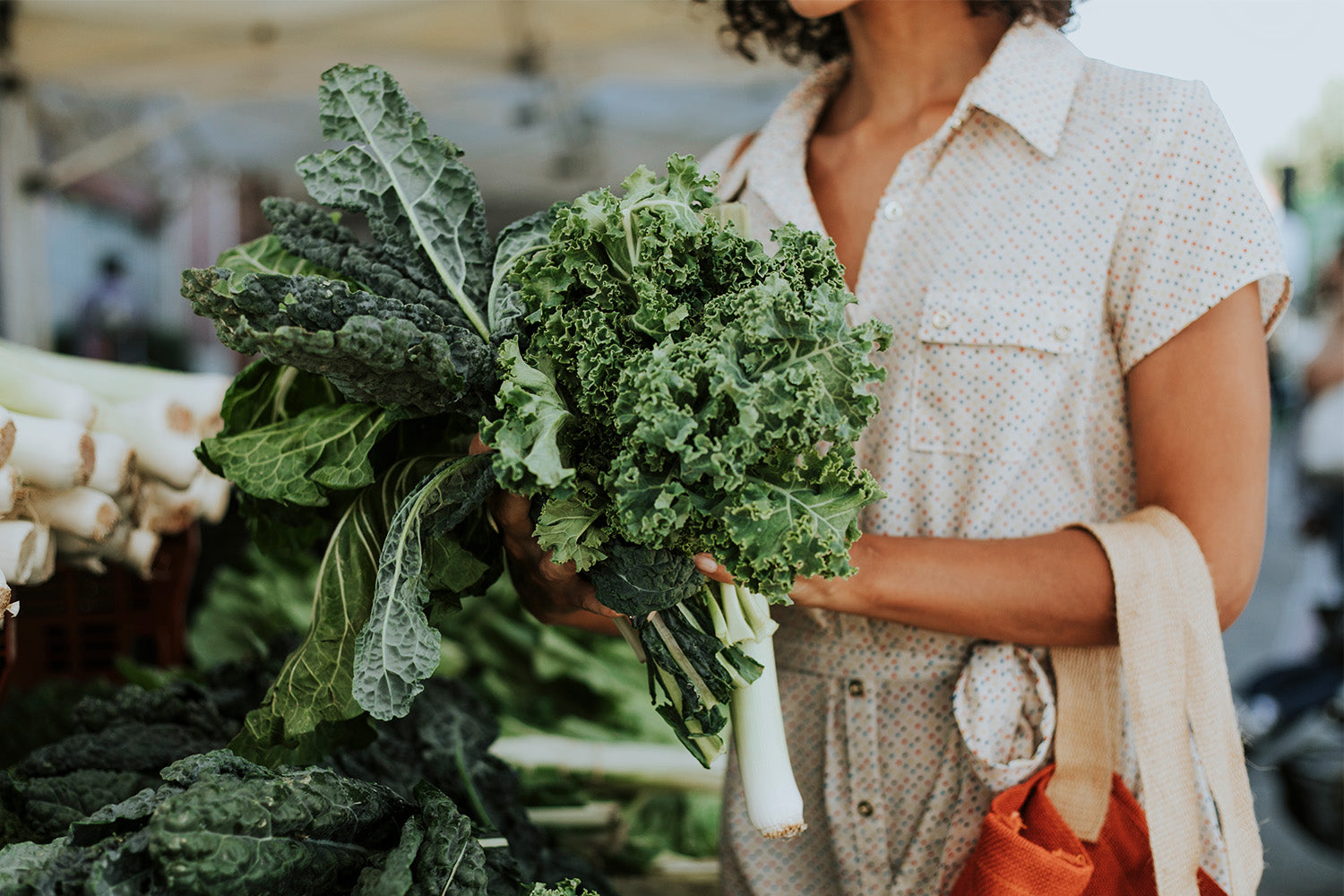
Types of Greens: A Complete Guide
Greens are more than just a salad base — they’re the foundation of vibrant living. From crisp romaine to earthy beet greens, the world of green leafy vegetables is expansive, flavorful, and deeply nourishing.
At Pressed Juicery, we’re passionate about the power of plants. Whether you enjoy greens tossed into a fresh side dish, blended into a smoothie, or pressed into a nutrient-dense green juice, incorporating a variety of leafy green vegetables into your routine is one of the simplest ways to support overall health.
From hearty cooking greens to delicate baby spinach, every green brings something unique to the table — and to your body.
Let’s explore.
What Are Greens? An Overview
Greens refer to the edible leaves of plants consumed as vegetables. They range from everyday staples like spinach and kale to nutrient-dense options like bok choy, turnip greens, and mustard greens.
If you’ve ever wondered about the best greens to eat, the answer is simple: variety. A diverse list of green vegetables ensures a broad spectrum of vitamins, minerals, antioxidants, and phytonutrients that support your immune system, digestion, and even blood pressure balance.
Greens typically fall into four main categories:
Leafy Greens
- Spinach
- Kale
- Arugula
- Romaine
- Baby spinach
Cooking Greens
- Collard greens
- Swiss chard
- Mustard greens
- Turnip greens
- Beet greens
Salad Greens
- Iceberg
- Butterhead
- Mesclun mixes
Microgreens
- Radish greens
- Pea shoots
- Sunflower greens
Each category delivers different textures, flavors, and green juice benefits when incorporated into your meals or favorite blends.

The Nutritional Power of Greens
Green leafy vegetables are some of the most nutrient-dense foods you can eat. They’re naturally rich in:
- Vitamins A, C, and K
- Folate
- Iron
- Calcium
- Magnesium
- Fiber
- Antioxidants like beta-carotene and lutein
These nutrients work together to support overall health, including:
- Immune system strength
- Healthy digestion
- Bone health
- Cellular repair
- Balanced blood pressure
The fiber in leafy green vegetables also helps support gut health while keeping you satisfied. That’s one of the reasons green benefits are so widely celebrated — especially when greens are combined thoughtfully for maximum impact.
Looking for a simple way to get more greens in? A refreshing cucumber celery juice offers hydration plus nutrient density in one clean, delicious sip.
Leafy Greens: The Foundation of Green Vegetables
Leafy greens are the backbone of any list of green vegetables. They’re versatile, vibrant, and incredibly nourishing.
Kale, spinach, and arugula are considered some of the best greens to eat because of their concentrated vitamin and antioxidant content. Bok choy adds a mild, crisp texture that works beautifully in stir-fries or as a nutrient-packed side dish.
These greens can be enjoyed:
- Raw in salads
- Lightly sautéed
- Blended into smoothies
- Pressed into juice
If you love a balanced blend, a green juice with kale delivers deep leafy flavor with refreshing brightness. For something fruit-forward, try a crisp kale apple juice — it’s a perfect introduction to greens.
Popular Leafy Greens List
Here’s a quick leafy greens list to inspire your next grocery run:
- Spinach
- Baby spinach
- Kale
- Arugula
- Romaine lettuce
- Swiss chard
- Bok choy
- Beet greens
- Turnip greens
Each of these green leafy vegetables supports immune system health while delivering unique textures and flavors.
Cooking Greens: From Stove to Table
Cooking greens are slightly sturdier and often richer in flavor. Collard greens, mustard greens, turnip greens, and beet greens are nutrient-dense options that shine when sautéed or simmered.
They make an excellent warm side dish and pair beautifully with whole grains, legumes, or plant-based proteins.
Light cooking can enhance digestibility while preserving key nutrients. Steaming or quick sautéing is ideal.
Microgreens: Tiny Greens, Big Impact
Microgreens may be small, but they’re mighty. These young greens contain concentrated nutrients and bold flavors.
Popular varieties include:
- Radish greens (peppery)
- Pea shoots (mild and sweet)
- Sunflower greens (nutty and crisp)
Sprinkle them over salads, avocado toast, or grain bowls for a vibrant finishing touch.

Creative Ways to Add More Greens to Your Routine
Getting more greens doesn’t have to mean eating bigger salads.
Try:
- Blending greens into an avocado green smoothie
- Swapping tortillas for collard leaves
- Adding chopped greens to soups
- Mixing baby spinach into pasta
- Enjoying a daily green juice
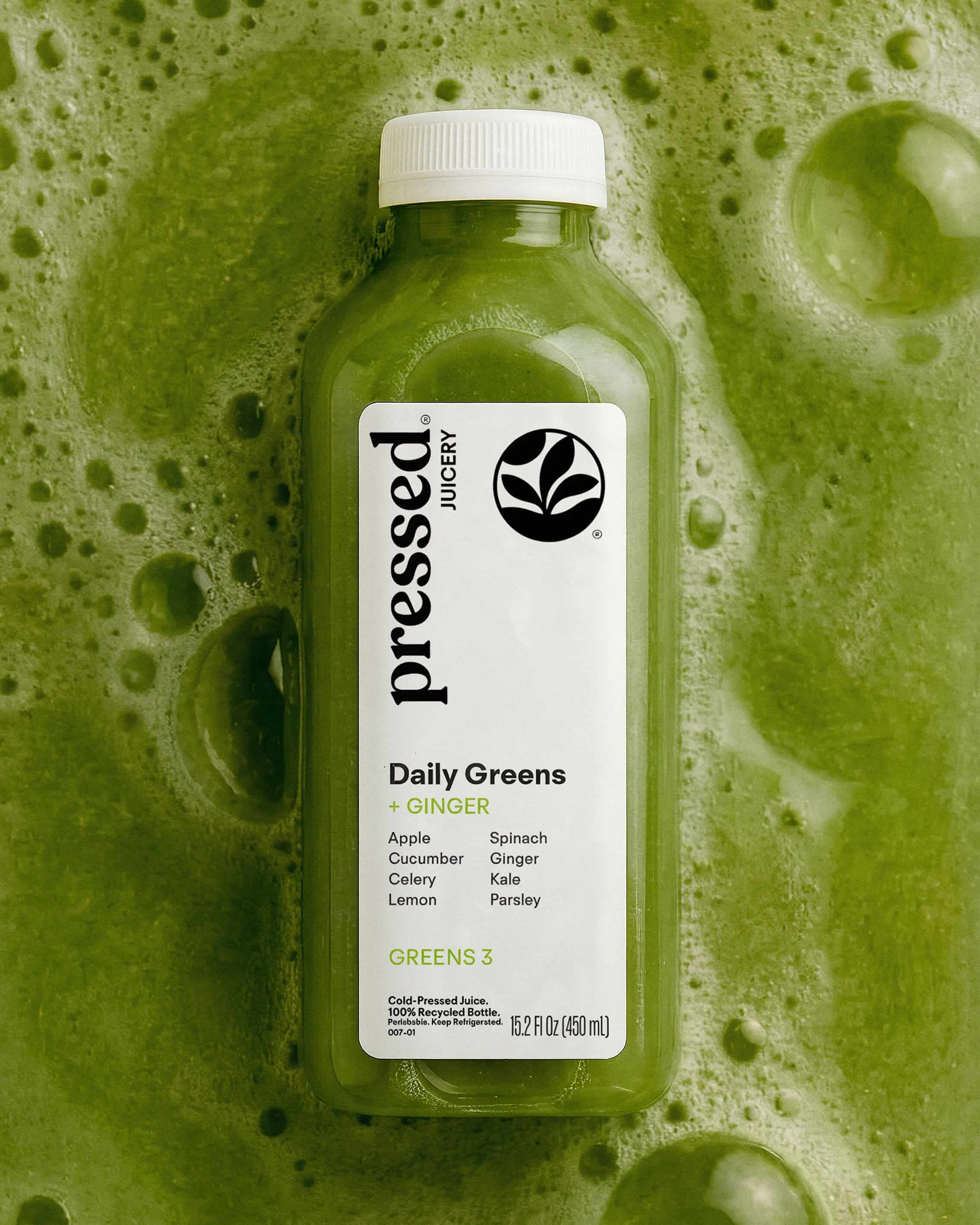
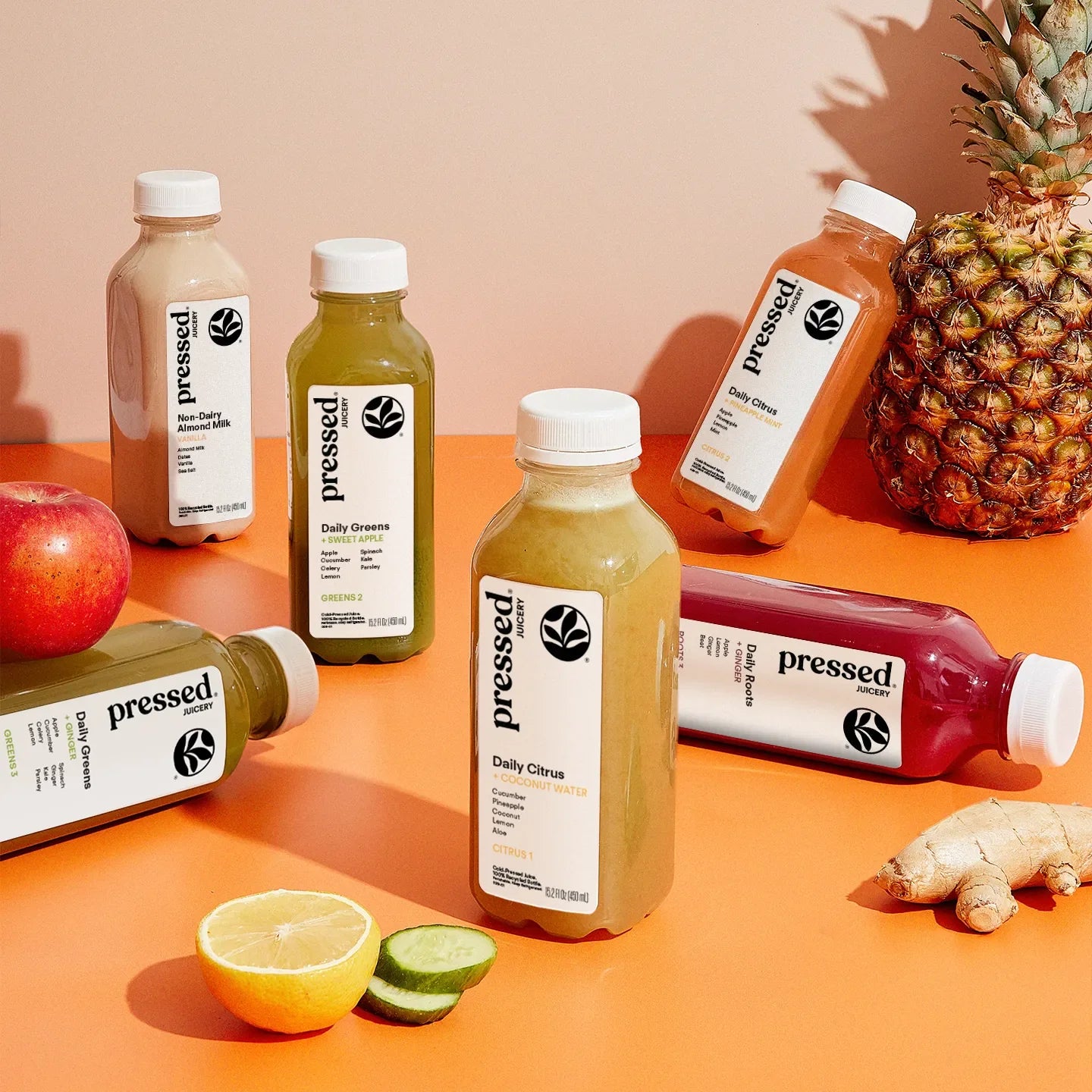
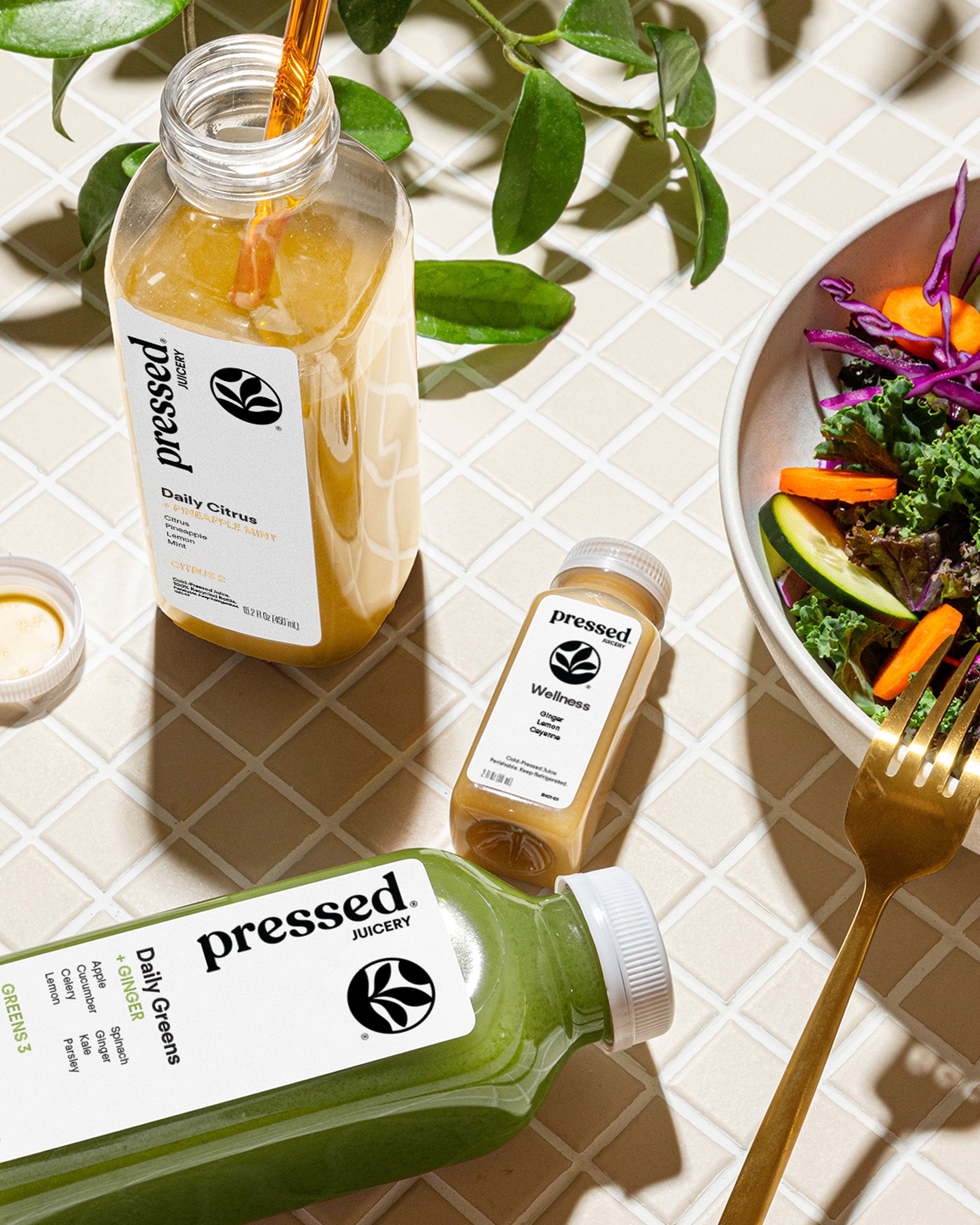
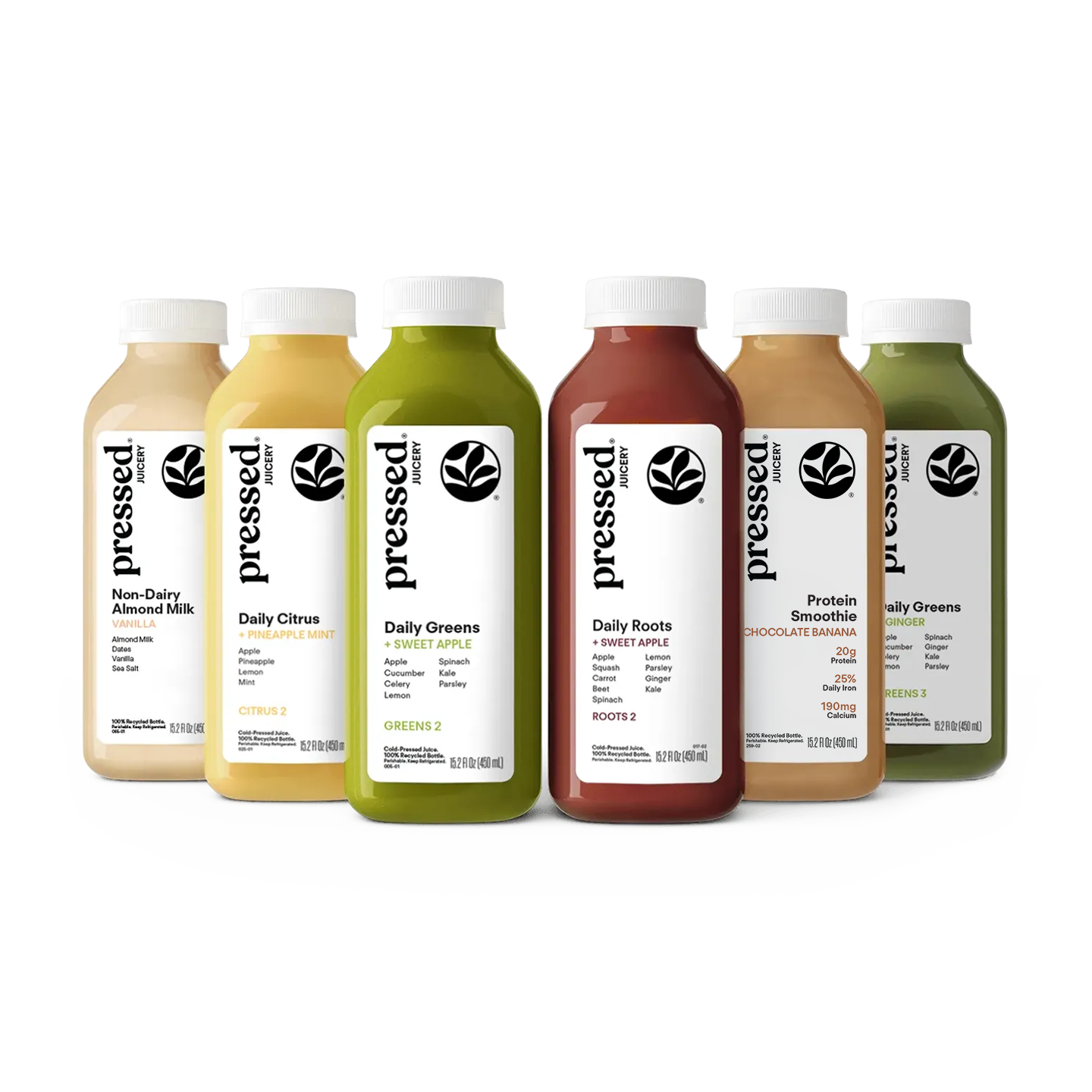
Pressed green juices are thoughtfully crafted to deliver powerful green juice benefits in a convenient, craveable way. They’re an effortless addition to busy days when you want to prioritize overall health.
Frequently Asked Questions
What are the best greens to eat daily?
A rotation of spinach, kale, bok choy, beet greens, and turnip greens offers a wide range of nutrients that support the immune system and help maintain healthy blood pressure levels.
Do green leafy vegetables lose nutrients when cooked?
Light steaming or sautéing preserves most nutrients while improving digestibility.
Is green juice as healthy as whole greens?
Green juice benefits include easy absorption of vitamins and antioxidants. For balanced nutrition, combine juices with whole leafy green vegetables for fiber support.
The Bottom Line
Exploring the diverse world of greens opens the door to better energy, stronger immunity, and vibrant overall health. From baby spinach salads to hearty beet greens and refreshing green juice blends, every green brings something valuable to your plate.
The key? Variety. Rotate your greens. Try new textures. Experiment with flavors.
And when life gets busy, reach for a Pressed green juice to make nourishing your body simple, delicious, and effortless.
Because when it comes to greens — more is more.