

Is Carrot Juice Good for You? Benefits You'll Love
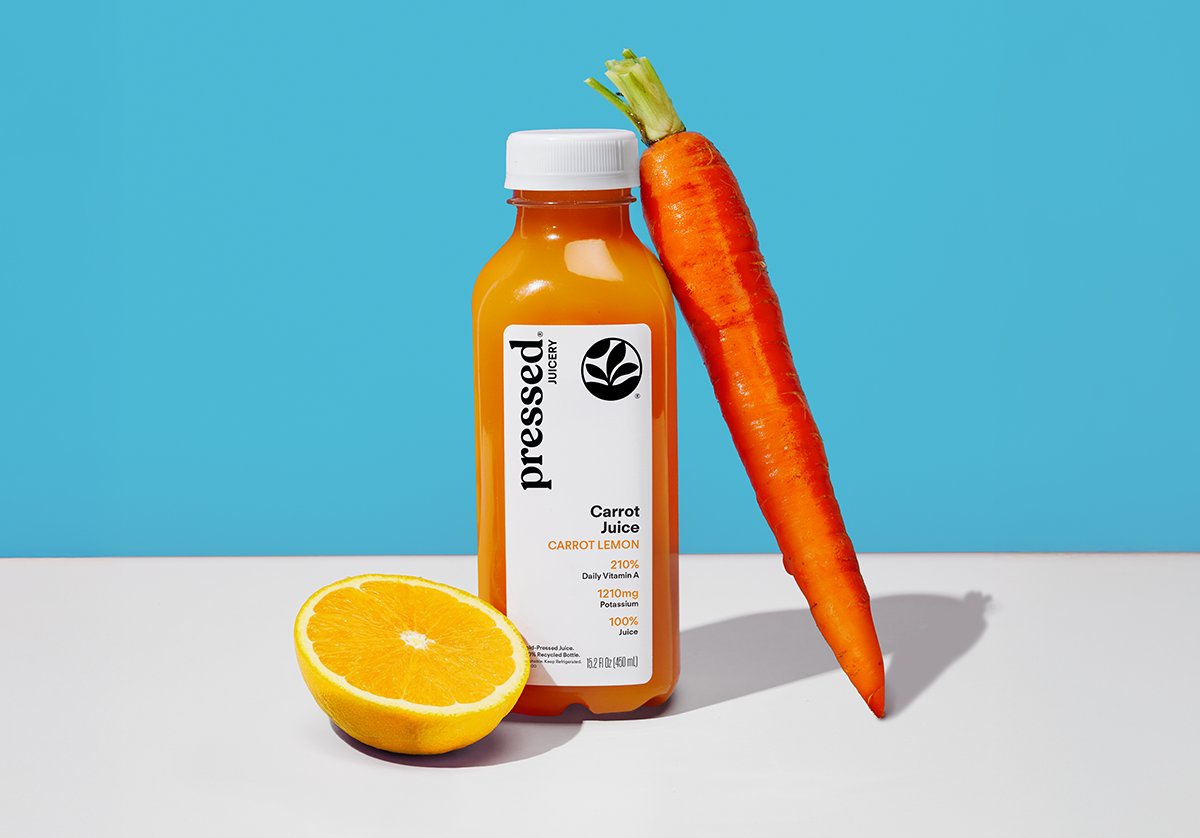
If you're looking for a vibrant, refreshing way to level up your daily nutrition, carrot juice should be on your radar. This concentrated powerhouse of vitamins, minerals, and antioxidants is an easy way to get a nutrient boost without eating handful after handful of raw carrots.
Carrot juice is a functional upgrade to your wellness routine that supports everything from a glowing complexion to healthy eyesight to a robust immune system. Whether you're a die-hard wellness enthusiast or just trying to squeeze more vegetables into a busy schedule, cold-pressed carrot juice(made without heat, which helps preserve delicate enzymes and heat-sensitive vitamins) offers a convenient boost your body will love.
Carrot juice is a functional upgrade to your wellness routine that supports everything from a glowing complexion to healthy eyesight to a robust immune system.
What Is Carrot Juice? Key Properties Explained
In its simplest form, carrot juice is the liquid extracted from whole, raw carrots. However, the quality of the juice depends on how those carrots are processed. Most commercial carrot juice undergoes heavy processing, but to get the most nutritional bang for your buck, cold-pressed juice is the clear winner.
So, what's the difference between heat-processed (pasteurized) vs. cold-pressed carrot juice? Most shelf-stable juices are heated to high temperatures to extend shelf life, which can degrade certain vitamins (such as vitamin C) and may diminish the flavor profile.
In contrast, cold-pressing uses a hydraulic press to squeeze every drop of nutrient-rich liquid from the carrot without exposing it to heat. Instead of heat pasteurization, cold-pressed juices use High-Pressure Processing (HPP) to preserve the flavor, color, and nutrients.
You can think of carrot juice as a concentrated delivery system for several key nutrients, including:
- Vitamin A (as Beta-Carotene): Carrot juice earns a gold star for its beta-carotene content, which is important for eye and skin health, as well as a strong immune system.
- Vitamin K: An essential nutrient for bone health and blood clotting.
- Potassium: A vital electrolyte that helps regulate blood pressure and muscle function.
- Antioxidants: Especially lutein, which is important for eye health, and lycopene, which may reduce your risk of heart disease and certain types of cancer.
A common question about carrot juice is whether the sugar content of carrot juice is something to worry about. Since carrots naturally contain carbohydrates, these sugars become more concentrated in juice—especially because most of the fiber is removed.
However, unlike the refined sugars found in soda and sugar-sweetened coffees, the natural sugars in carrot juice are accompanied by antioxidants, vitamins, and minerals.

Is Carrot Juice Healthy? Understanding the Nutrition
Curious about carrot juice properties from a nutrition perspective? Here are the details on what one cup (8 ounces) of cold-pressed carrot juice from Pressed Juicery contains:
- Calories: 67
- Fat: 0g
- Total Carbohydrates: 16g
- Dietary Fiber: 1g
- Total Sugars: 13g(includes 0g added sugars)
- Protein: 1.5g
- Potassium: 672mg (20% DV)
- Vitamin A: 1,034mcg (115% DV)
To help reduce blood sugar spikes that may occur from the natural sugar content of carrot juice, pair it with a source of fat or protein (such as a handful of nuts or Greek yogurt). These foods slow digestion, so the natural sugars enter your bloodstream more slowly.
Anyone can benefit from adding carrot juice to their routine, but it may be especially helpful for people with busy schedules who aren't always able to get the nutrients they need from whole fruits and vegetables.
Health Benefits of Carrot Juice
Carrot juice isn't just a refreshing alternative to soda; it's a functional addition to your wellness routine. Here are just some of the health benefits of carrot juice.
Supports Eye Health
You've probably heard that eating carrots is good for your eyes, and science backs that up. Carrot juice is a rich source of beta-carotene, which the body turns into vitamin A. Vitamin A is essential for clear vision, especially at night.
And beyond vitamin A, carrot juice contains lutein and lycopene. These antioxidants help protect your eyes from oxidative stress (i.e., damage caused by harmful molecules called free radicals) and reduce age-related vision loss.
Supports Heart Health
Carrot juice is a natural source of potassium, a mineral that helps maintain healthy blood pressure by relaxing the tension in your blood vessel walls. It also provides vitamin K, which plays a vital role in blood clotting.
Helps Support Immune Function
Your immune system relies on a steady stream of micronutrients to keep it "battle-ready." The high amount of beta-carotene (which gets turned into vitamin A) in carrot juice is vital for maintaining the health of thebarriers in your nose, throat, and digestive tract—your body's first line of defense against harmful invaders.
Supports Skin Health
If you're looking for that natural glow, carrot juice could be your new BFF. Its high water content keeps skin hydrated, while the antioxidants can help calm redness and irritation. Plus, vitamin A is essential for skin cell regeneration, contributing to a smooth, vibrant complexion.
Carrot Juice Benefits vs Whole Carrots
Think of carrots as a helpful complement to whole vegetables rather than a replacement. While whole carrots provide essential fiber for digestion, cold-pressed carrot juice offers a concentrated dose of nutrients that can be ideal for busy routines. If you're not used to eating a lot of fiber, carrot juice can be an easier-to-digest option to ease your way into higher fiber foods.
Carrot juice is also an excellent addition to a structured juice cleanse, helping you reset and focus on gently adding more vegetables to your routine. Whether you're crunching on raw carrot sticks or sipping cold-pressed carrot juice for a daily vitamin boost, both can play a role in a balanced, vegetable-forward lifestyle.

Advantages of Drinking Carrot Juice Daily
Consistency and finding a routine that works for you are the secrets to long-term wellness. Having carrot juice as a daily ritual is an effortless way to build a healthy foundation, thanks to its:
- Easy Vegetable Boost: The concentrated nutrition of carrot juice is perfect for busy schedules.
- Gentle on Digestion: Fiber can be difficult to digest, especially if you're not used to it. Carrot juice gives you vitamins, minerals, and antioxidants that make carrots so beneficial, without the digestive issues.
- Reliable Nutrition: A daily cup of carrot juice ensures you're constantly providing your body with vitamin A and antioxidants to support your eyes, skin, and immune system.
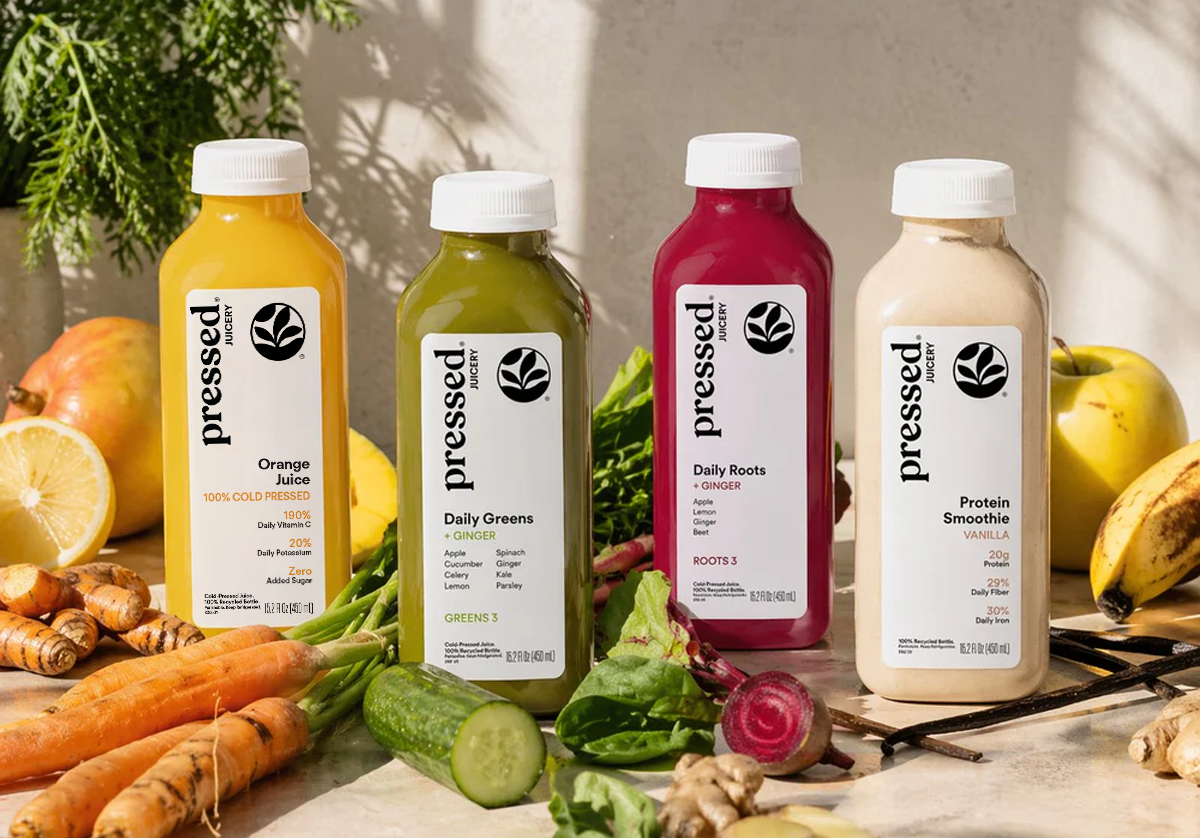
Remember, small daily habits add up. Drinking carrot juice is a simple, feel-good way to nourish your body. Some people like to try making their own juice at home (such as this carrot juice recipe), but Pressed Juicery offers delicious, cold-pressed options for those looking to simplify their routine.
How Much Carrot Juice Should You Drink?
One daily cup (8 ounces) of carrot juice provides a big boost of vitamin A and antioxidants while keeping natural sugars in check. It's best to pair it with a source of protein or fat to help slow down digestion and reduce blood sugar spikes.
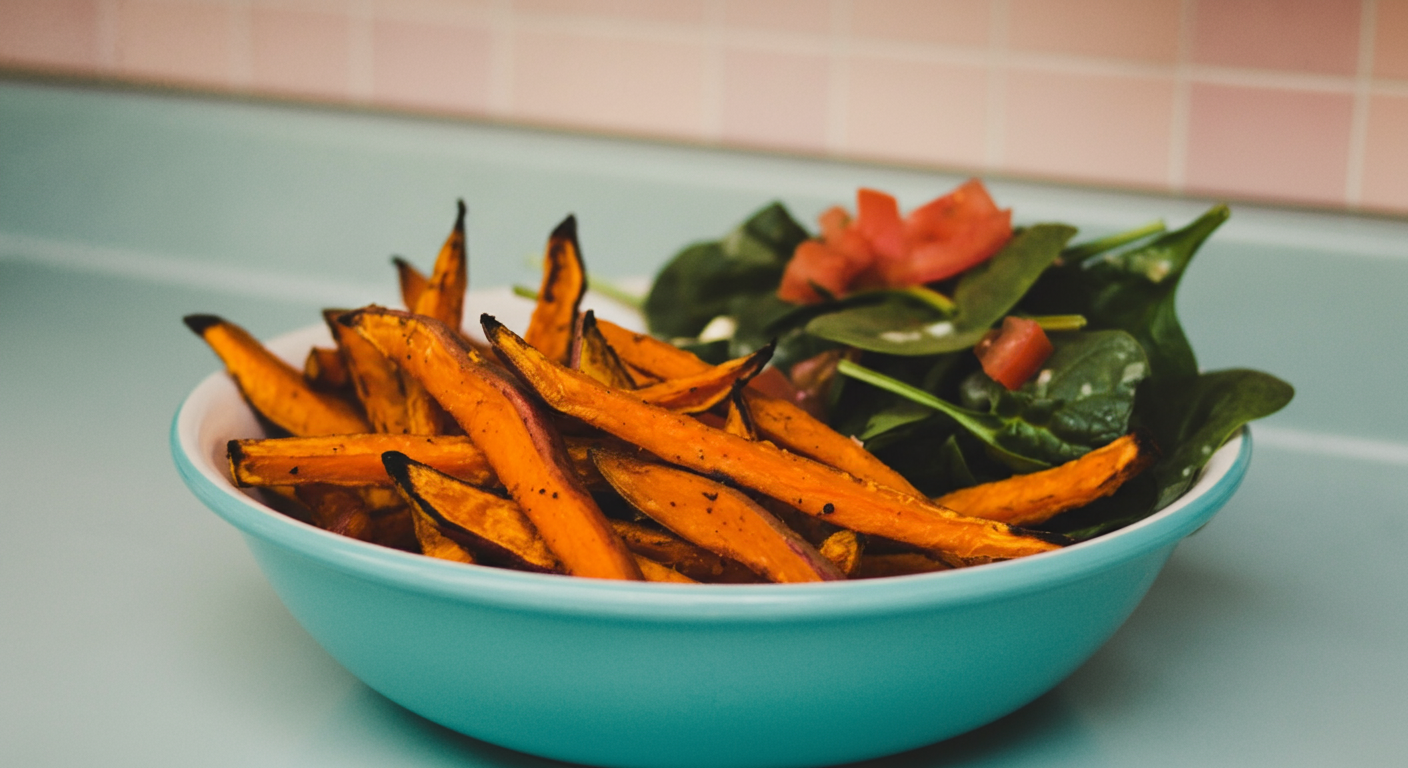
Plus, since vitamin A is fat-soluble, drinking carrot juice alongside a source of fat—like avocado toast, a handful of nuts, or a salad dressed with extra-virgin olive oil—helps boost your body's absorption of vitamin A.
Potential Side Effects and Considerations
While drinking carrot juice is a nutritional win, there are a few considerations to keep in mind. First, if you notice a slight orange tint to your palms or skin, don't panic! This is calledcarotenemia, a harmless, temporary condition caused by high beta-carotene intake that typically fades once you reduce your intake.
And as we've already mentioned, the natural sugars in carrot juice can cause your blood sugars to spike. If you're managing diabetes or other conditions where it's important to prevent large blood sugar spikes, enjoy your juice with a meal or a snack that includes protein or healthy fats.
Finally, while carrot juice is a nutritional superstar, our bodies need a variety of different foods. Be sure to rotate in other greens and colored vegetables to ensure you're getting the full spectrum of vitamins, minerals, and antioxidants.
Conclusion
Carrot juice can be a feel-good addition to a healthy lifestyle when enjoyed mindfully. By opting for cold-pressed quality, you're ensuring you get the most nutrients out of your juice.
Whether you incorporate a glass into your morning ritual or use it as part of a structured juice cleanse, its benefits for your skin, eyes, heart, and immune system are undeniable. Start with small daily habits, stay consistent, and let this vibrant juice nourish you from the inside out.
Carrot Juice FAQs
Is carrot juice good for you every day?
Yes, drinking carrot juice daily is a great way to give your body a boost of vitamin A and antioxidants. Stick to a one-cup (8-ounce) serving to ensure you get the benefits without overconsuming the natural sugars.
Is carrot juice healthy during a cleanse?
Yes, carrot juice is a staple in many structured programs, like the Pressed First-Time Juice Cleanse. Short cleanses can give your digestive system a rest while keeping your nutrient intake high.
Does carrot juice support skin health?
The high concentration of beta-carotene in carrot juice helps protect the skin from environmental damage and supports skin regeneration, contributing to a smooth, vibrant complexion.
Is cold-pressed carrot juice better?
Traditional juicers use fast-spinning blades that create heat, which can degrade heat-sensitive vitamins. Cold-pressing uses a hydraulic press to extract juice without heat or oxygen, resulting in better nutrient and flavor retention.
References
- Mieszczakowska-Frąc, M., Celejewska, K., & Płocharski, W. (2021). Impact of Innovative Technologies on the Content of Vitamin C and Its Bioavailability from Processed Fruit and Vegetable Products. Antioxidants, 10(1), 54. https://doi.org/10.3390/antiox10010054
- Koutchma, T., Popović, V., Ros-Polski, V., & Popielarz, A. (2016). Effects of Ultraviolet Light and High-Pressure Processing on Quality and Health-Related Constituents of Fresh Juice Products. Comprehensive Reviews in Food Science and Food Safety, 15(5), 844-867. https://doi.org/10.1111/1541-4337.12214
- https://www.frontiersin.org/journals/pharmacology/articles/10.3389/fphar.2023.1186336/full
- Fusaro, M., Gallieni, M., Porta, C., Nickolas, T. L., & Khairallah, P. (2020). Vitamin K effects in human health: New insights beyond bone and cardiovascular health. Journal of Nephrology, 33(2), 239-249. https://doi.org/10.1007/s40620-019-00685-0
- D'Elia, L. (2024). Potassium Intake and Human Health. Nutrients, 16(6). https://doi.org/10.3390/nu16060833
- Li, X., Holt, R. R., Keen, C. L., Morse, L. S., Zivkovic, A. M., Yiu, G., & Hackman, R. M. (2023). Potential roles of dietary zeaxanthin and lutein in macular health and function. Nutrition Reviews, 81(6), 670-683. https://doi.org/10.1093/nutrit/nuac076
- Tufail, T., Ul Ain, H. B., Noreen, S., Ikram, A., Arshad, M. T., & Abdullahi, M. A. (2024). Nutritional Benefits of Lycopene and Beta-Carotene: A Comprehensive Overview. Food Science & Nutrition, 12(11), 8715-8741. https://doi.org/10.1002/fsn3.4502
- Huang, Z., Liu, Y., Qi, G., Brand, D., & Zheng, S. G. (2018). Role of Vitamin A in the Immune System. Journal of Clinical Medicine, 7(9). https://doi.org/10.3390/jcm7090258
- Polcz, M. E., & Barbul, A. (2019). The Role of Vitamin A in Wound Healing. Nutrition in Clinical Practice, 34(5), 695-700. https://doi.org/10.1002/ncp.10376
- Al Nasser Y, Jamal Z, Albugeaey M. Carotenemia. [Updated 2023 Jun 12]. In: StatPearls [Internet]. Treasure Island (FL): StatPearls Publishing; 2026 Jan-. Available from: https://www.ncbi.nlm.nih.gov/books/NBK534878/